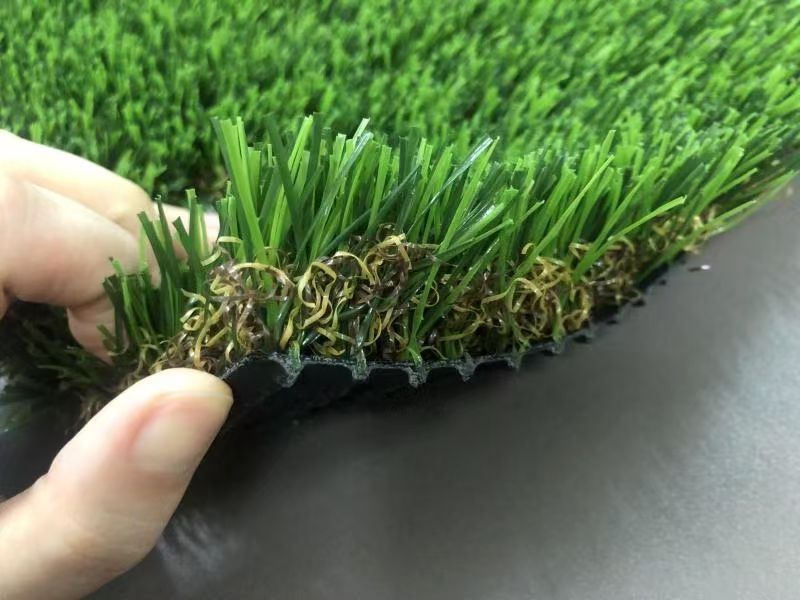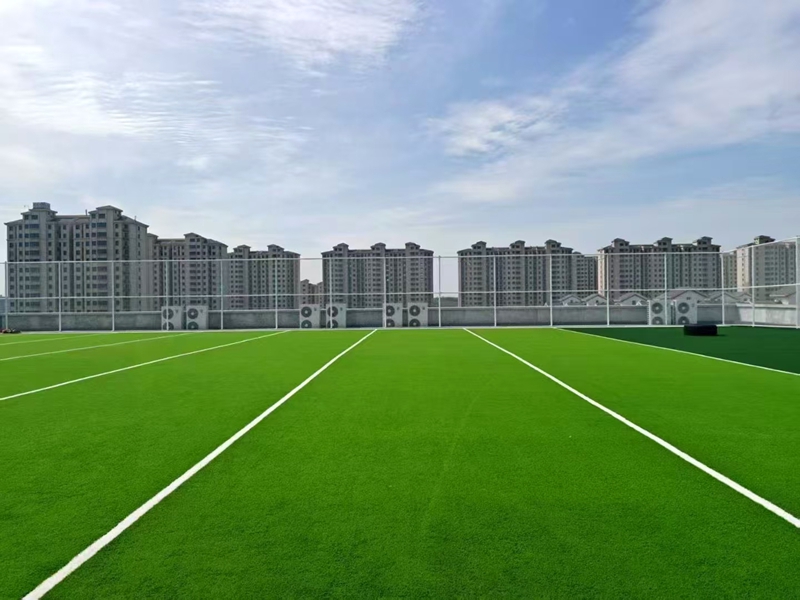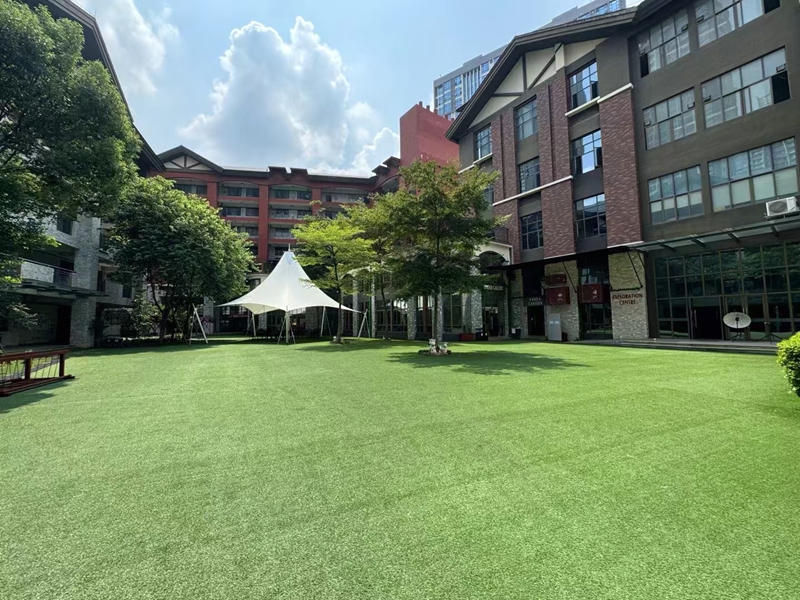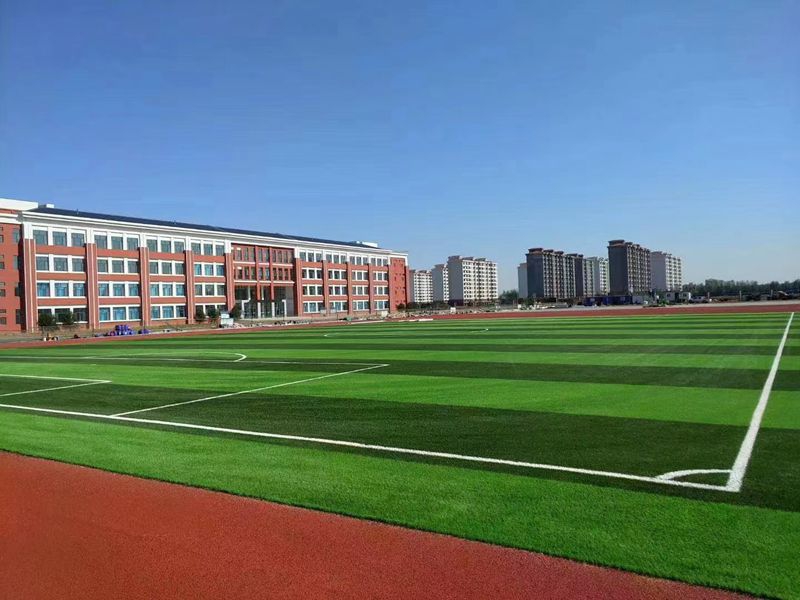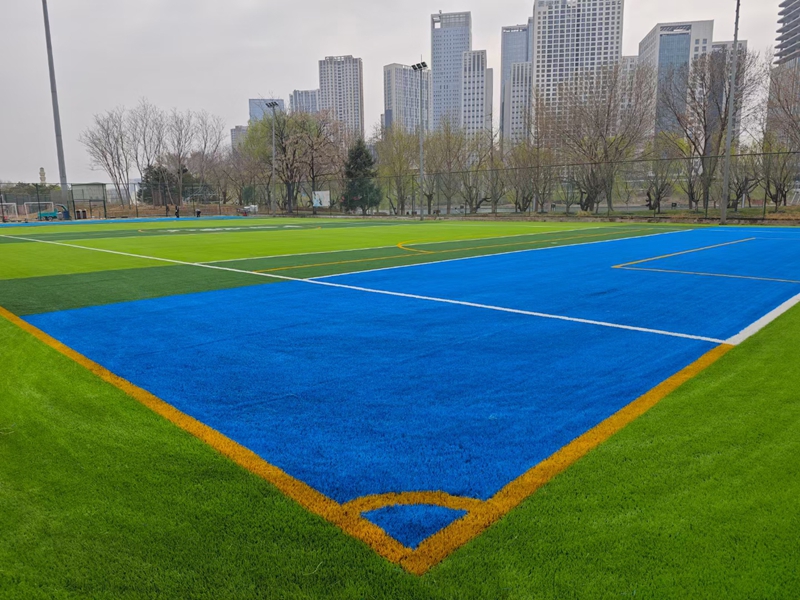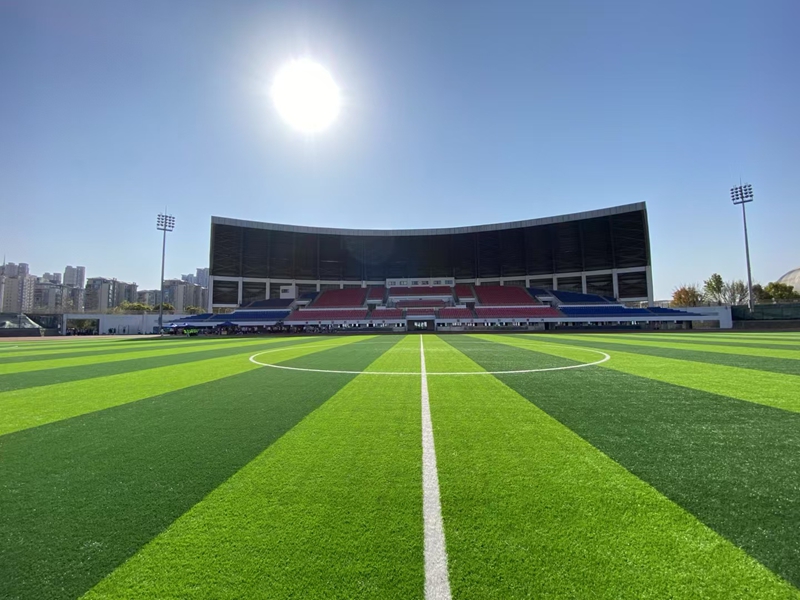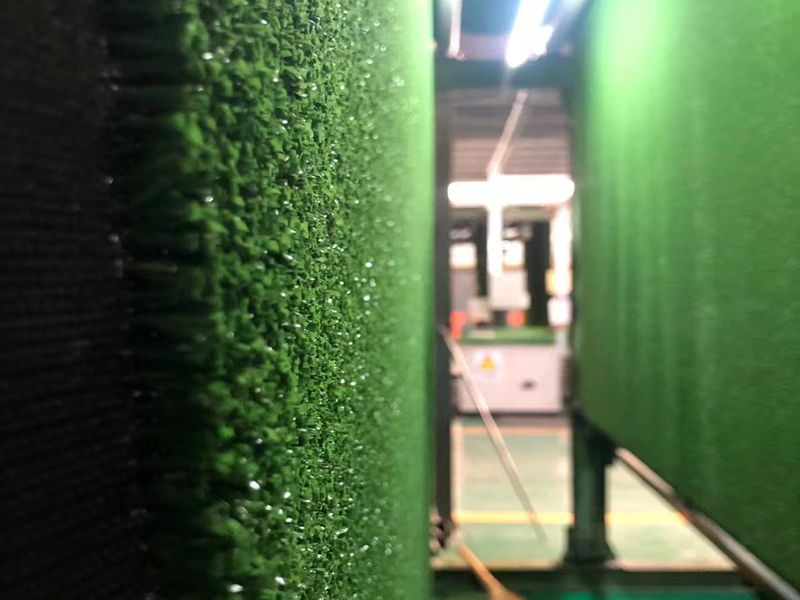
To extend the service life of artificial turf, it is necessary to combine scientific maintenance with reasonable use. The following are the key measures and corresponding bases:
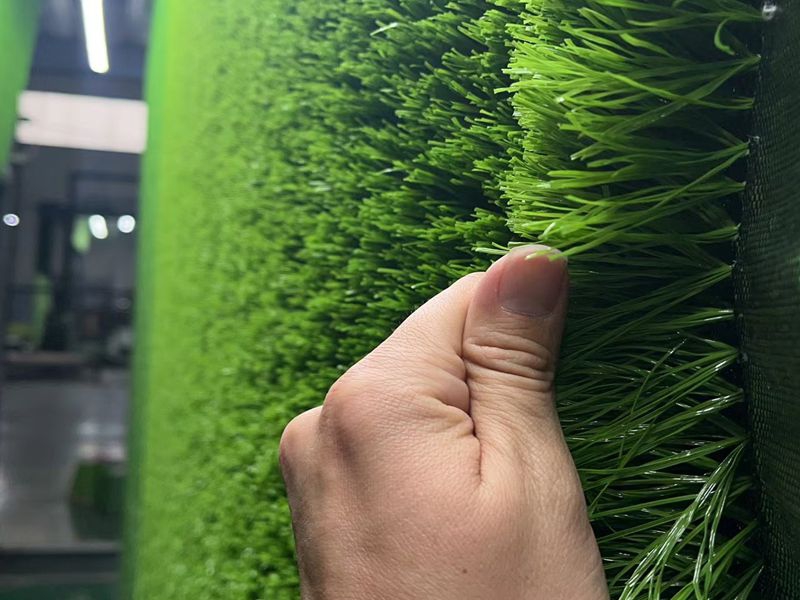
🧹 Regular maintenance points
Youdaoplaceholder0 Regularly clean
Use a vacuum cleaner or a soft brush to remove leaves and debris to prevent the grass fibers from being corroded. Stubborn stains should be treated with neutral cleaners. Do not use strong acid or strong alkali solutions.
During the rainy season, rainwater can be relied upon for washing, but areas where dust accumulates need manual intervention.
Youdaoplaceholder0 Grass thread combing and repair
Every month, use a soft-bristled brush to comb the fallen grass filaments in reverse, and replenish and fill the local trampling area with particles to restore elasticity.
Trim the damaged grass threads in time and re-fix the loose parts at the edges. 38.
☀️ Environmental protection measures
Youdaoplaceholder0 Sun protection and cooling
During high-temperature periods, spray lawn protectants or cover with sunshade nets to reduce the brittleness of grass fibers caused by ultraviolet rays.
Spray water before and after summer sports to cool down and prevent the grass fibers from melting at high temperatures.
Youdaoplaceholder0 Extreme climate response
In the north, filling particles are replenished before winter to enhance compressive resistance, and snow is cleared in time to prevent grass fibers from breaking. Control the amount of de-icing salt to prevent the glue from aging.
In the rainy areas of the south, ensure smooth drainage to prevent water accumulation from soaking the base layer.
⚙️ uses administrative policy
Youdaoplaceholder0 Measures Operating requirements In accordance with
Youdaoplaceholder0 Disperse pressure Lay out pedals or plan walking paths in the high-frequency active area to avoid excessive stepping in local areas
Youdaoplaceholder0 Control intensity Rotation of high-intensity sports fields (such as football fields) regularly, it is recommended to buffer 1-2 days per month
Youdaoplaceholder0 Do not press heavy objects Do not allow vehicles to pass or pile heavy objects to prevent permanent deformation of the grass fibers
Youdaoplaceholder0 Fire Management Keep away from open flames and hot heat sources (such as barbecue grills), flame-retardant lawns still be cautious of grass filament melting
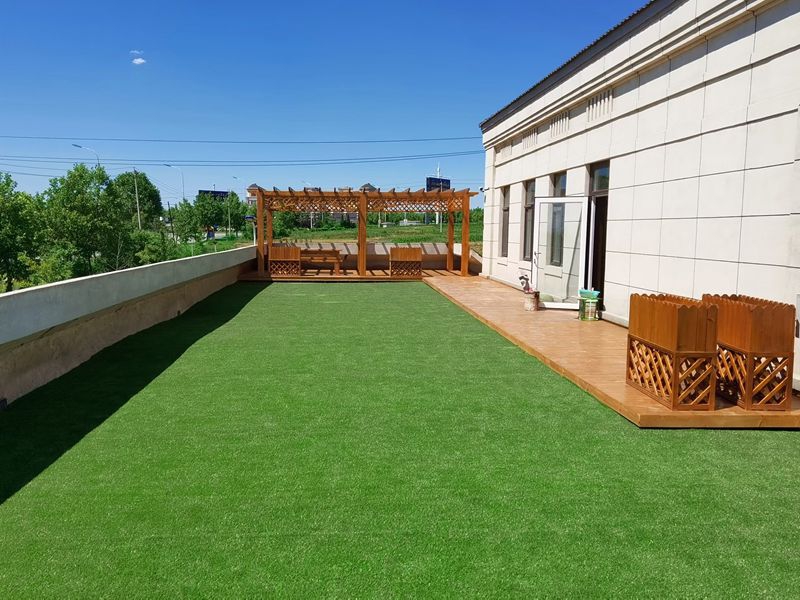
🔧 Technical support for
Youdaoplaceholder0 Filling layer maintenance
For sand-filled lawns, quartz sand or rubber particles should be replenished annually (when the loss exceeds 10%) to prevent the base layer from hardening.
Give priority to using environmentally friendly TPE particles to replace traditional black rubber particles to reduce the risk of pollution.
Youdaoplaceholder0 Joint and foundation inspection
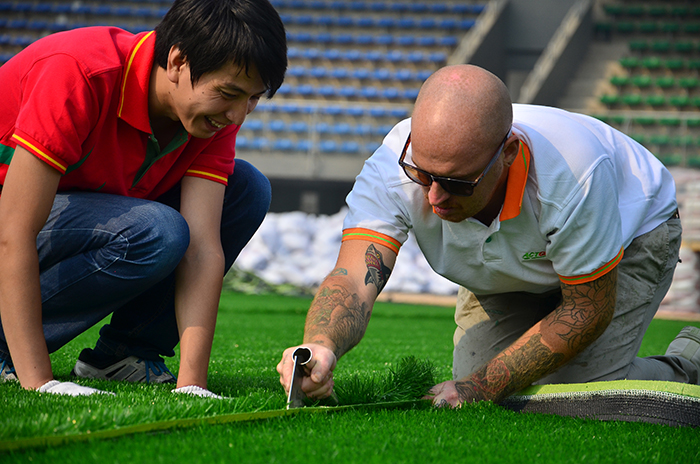
Check the loosening of the joints every quarter and carry out timely hot-melt repair. Regularly assess the flatness of the foundation to prevent deformation and cracking.
Youdaoplaceholder0 Choose compliant products
When laying, select lawns that comply with the national standard GB36246-2018 (the limit of heavy metals has been increased, and benzo [a] pyrene must not be detected).
💎 Life comparison with recommendations
Youdaoplaceholder0 Lawn type Applicable scenarios Average lifespan Maintenance focus
Youdaoplaceholder0 Sand-filled football field, high frequency movement area regular sand replenishment for 8-12 years + UV protection treatment
Youdaoplaceholder0 No-FILL type Community, light use area 6-10 years Avoid intense trampling + sun protection
Youdaoplaceholder0 Key points : The theoretical lifespan of high-quality artificial turf can reach up to 10 years, but the actual lifespan depends on maintenance frequency (such as weekly cleaning) and usage intensity (such as daily exercise duration). Regular professional inspections (such as the integrity of the adhesive back and the tensile strength of the grass fibers) can help identify potential hazards in advanc