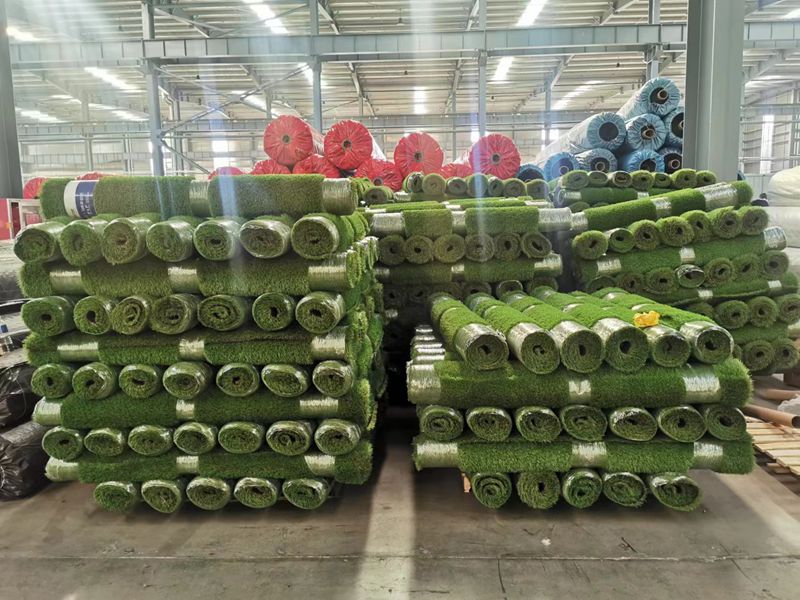
The pound weight (DTEX) of artificial turf refers to the weight of a tuft of grass fibers over a length of 10,000 meters. It is a key indicator for measuring the quality and density of grass fibers. The higher the value, the thicker and better the quality of the grass fibers.
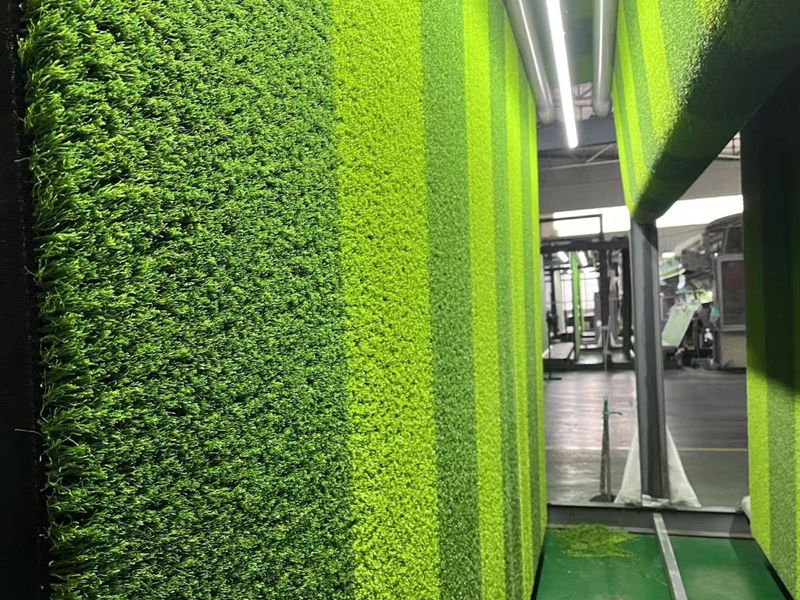
Youdaoplaceholder0 definition and unit of weight in pounds
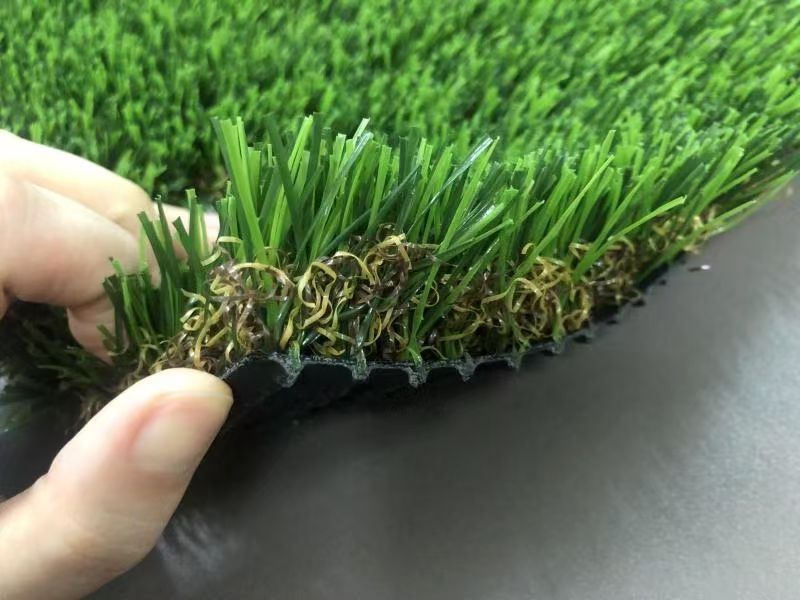
The pound weight (also known as specific value, fineness or DTEX) of artificial turf is a term in the textile industry, derived from the imperial unit, used to quantify the density and quality of grass filaments. It is defined as: the weight in grams of a tuft of grass fiber (usually composed of 4, 6, 12 or 16 single filaments) over a length of 10,000 meters , with the unit being DTEX (decitex).
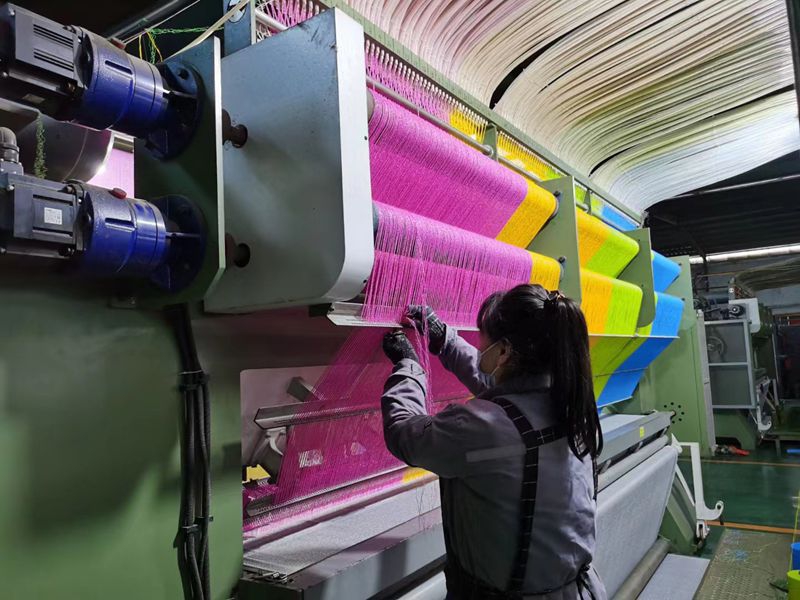
Youdaoplaceholder0 the relationship between weight and quality
The higher the value, the higher the quality : the weight in pounds directly reflects the thickness and density of the grass fibers. For example, in specifications such as 8800, 10000, and 13000, the higher the value, the more wear-resistant, pressure-resistant, and longer the service life of the grass fibers.
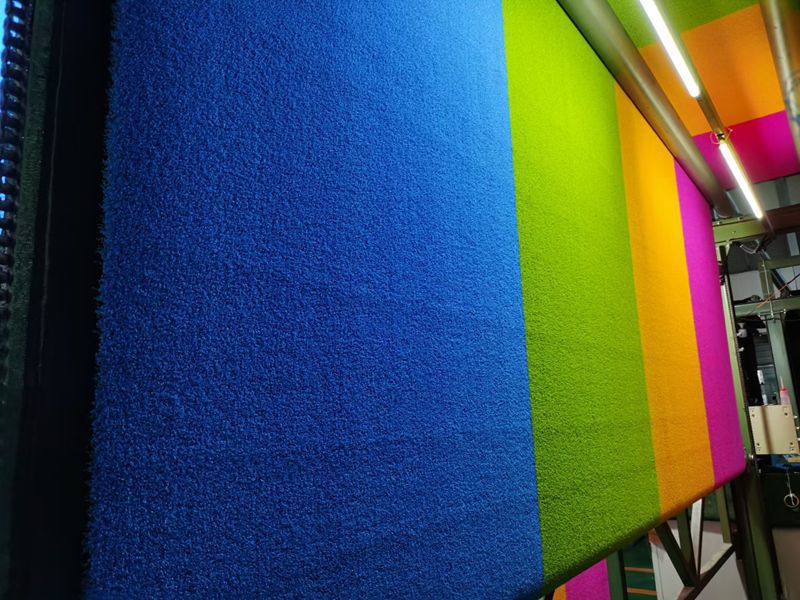
Youdaoplaceholder0 application scenario differences :
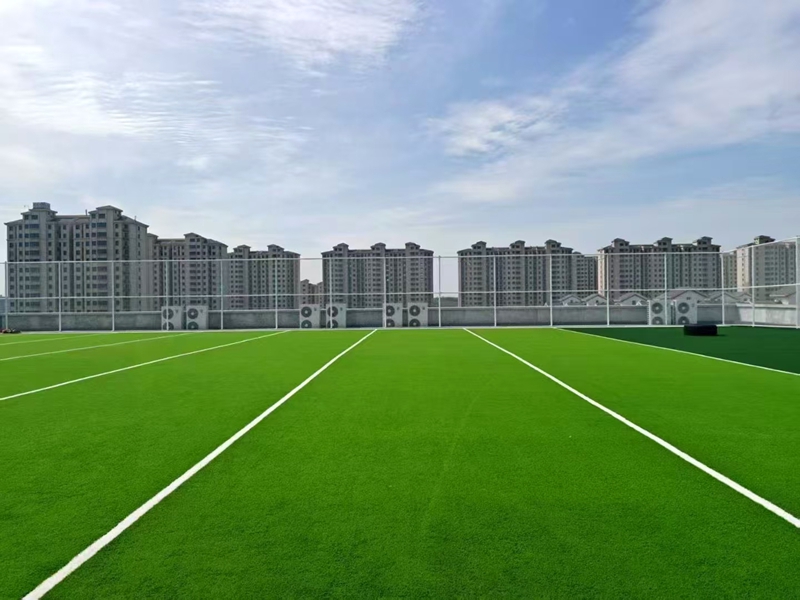
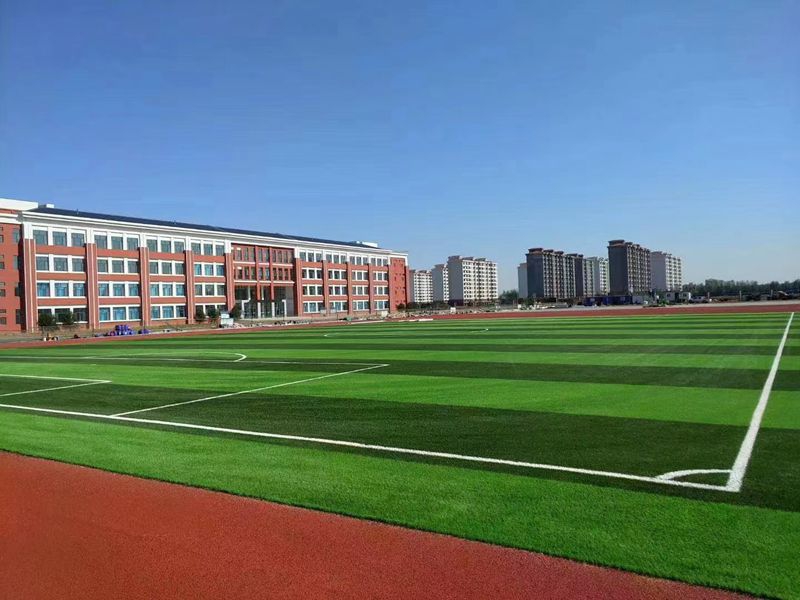
Sports turf (such as football fields) usually requires a high weight (such as 11,000 to 18,000 DTEX) to withstand intense wear and tear.
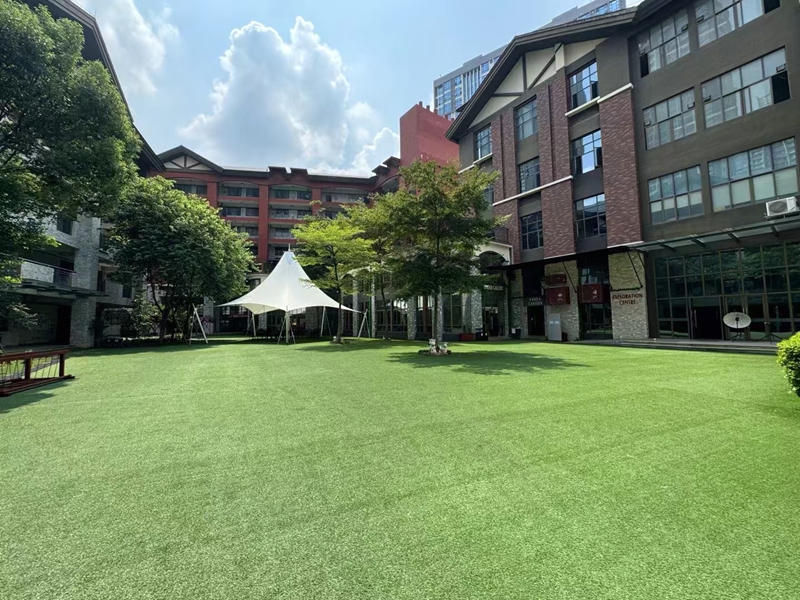
The weight of casual or decorative lawns is relatively low (such as 5500-9600 DTEX).
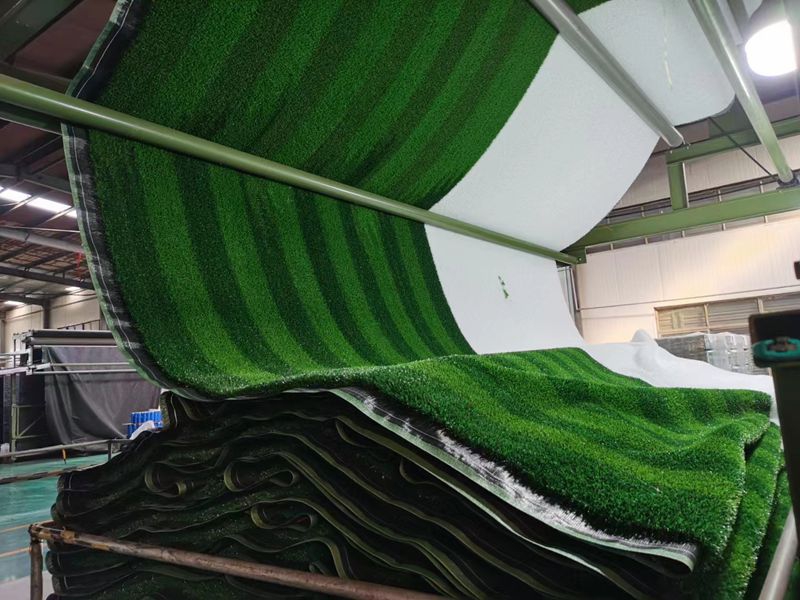
Youdaoplaceholder0 measurement and verification of pound weight
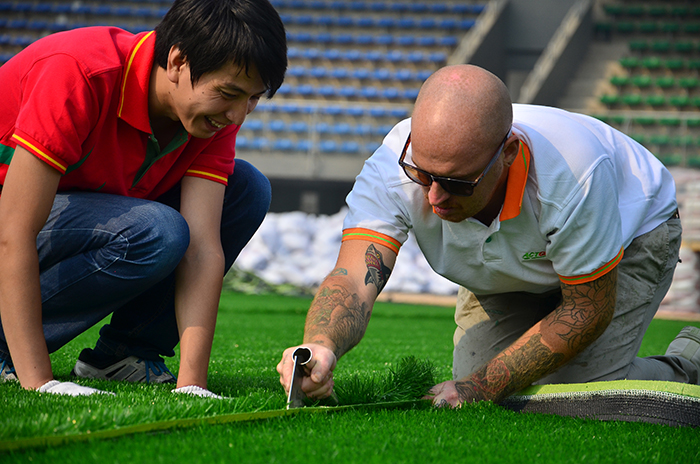
Youdaoplaceholder0 Theoretical calculation : The specific value is calculated by weighing the weight of a fixed length (such as 10 tufts of grass fibers 1 meter long). The actual value should take into account the loss of the base fabric and should be slightly higher than the manufacturer’s marked value.
Youdaoplaceholder0 Industry issue : Some manufacturers may falsely report the weight, causing premature damage to the lawn. It is recommended to choose a reputable brand and verify the test report.