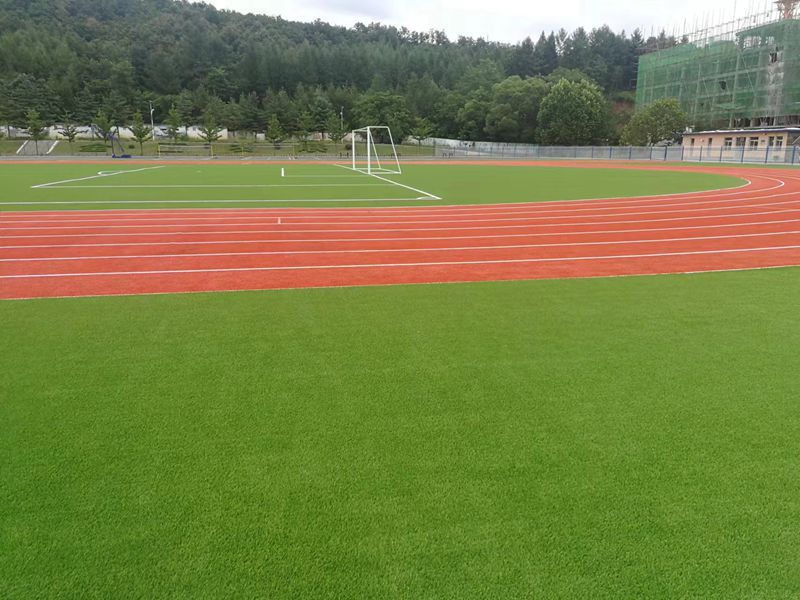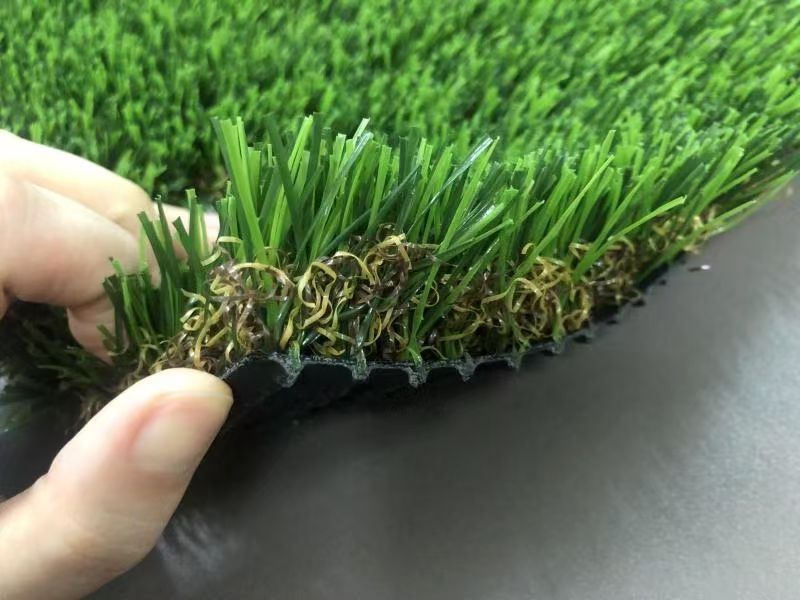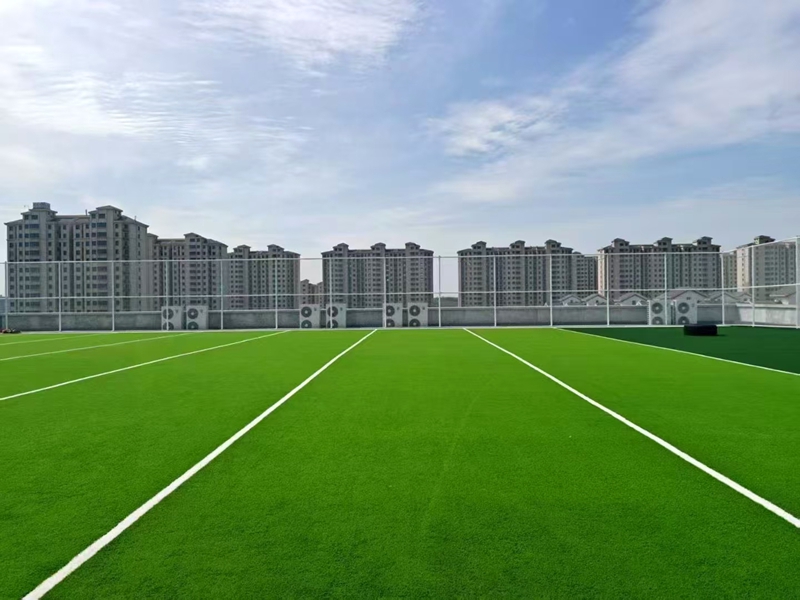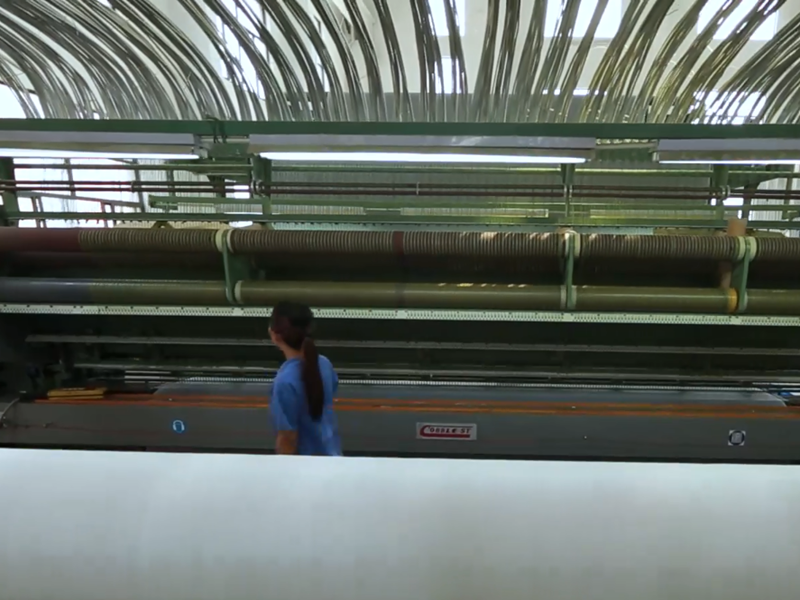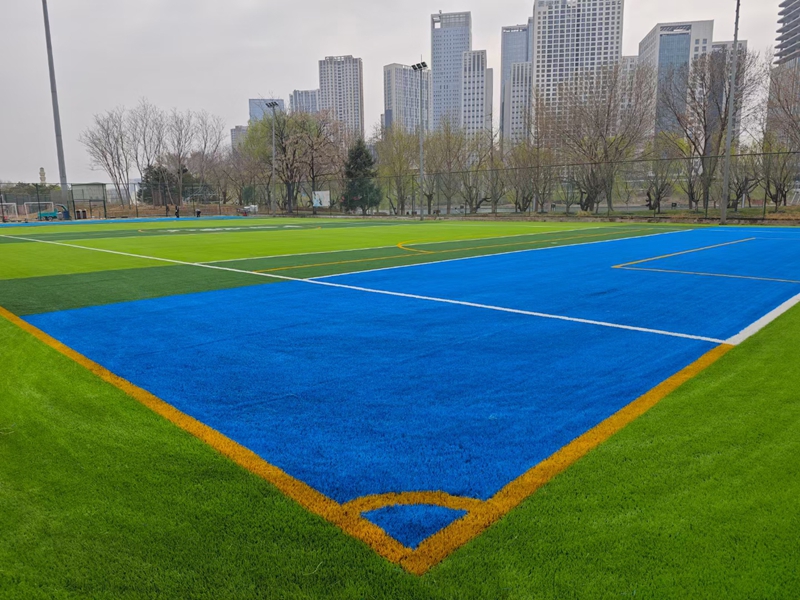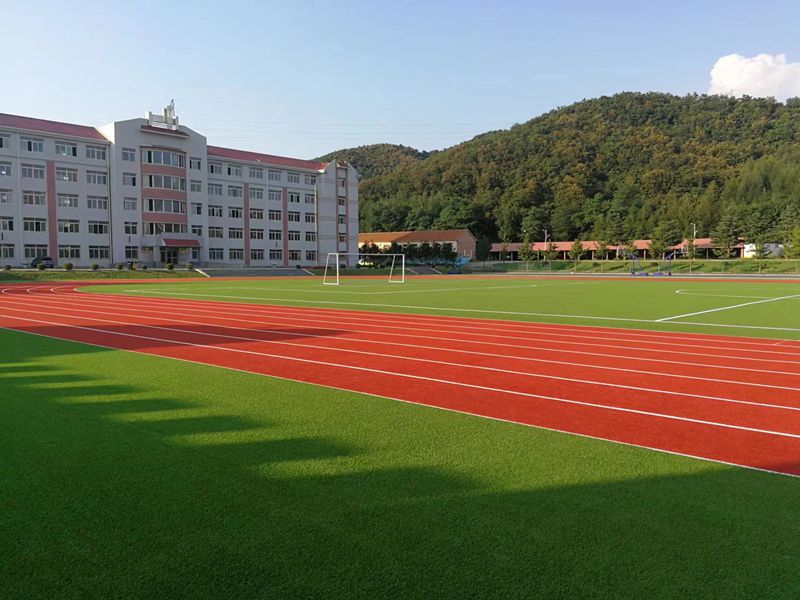
Artificial turf itself is usually non-toxic, but inferior products or improper use may pose potential risks. The following is the specific analysis:
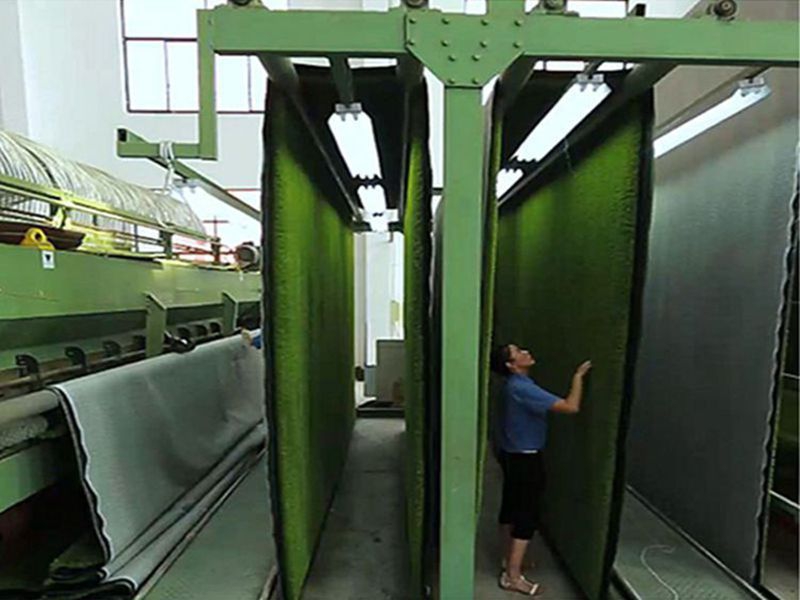
Material safety
The mainstream artificial turf materials include polypropylene (PP) and polyethylene (PE), both of which are non-toxic and environmentally friendly materials. For instance, artificial turf in kindergartens is mostly made of PP or PE materials, and it will not release harmful substances such as formaldehyde under normal use.
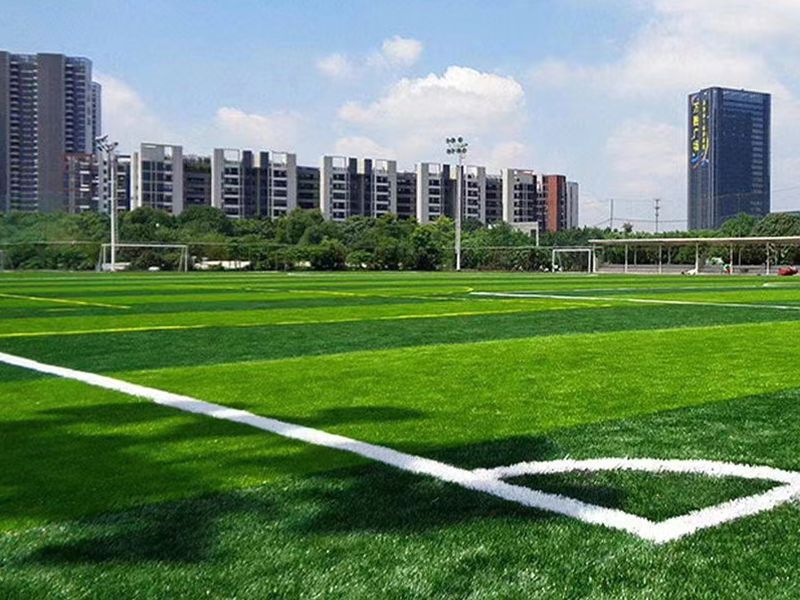
Potential risk
Youdaoplaceholder0 Chemical residue
Some low-quality artificial turf may have the following problems:
Additives such as pigments and stabilizers used in the production process may contain excessive heavy metals (such as lead, mercury, etc.) or volatile organic compounds (such as TVOCs).
If the fillers (rubber particles or quartz sand) are of substandard quality, they may contain harmful substances such as polycyclic aromatic hydrocarbons and phthalates.
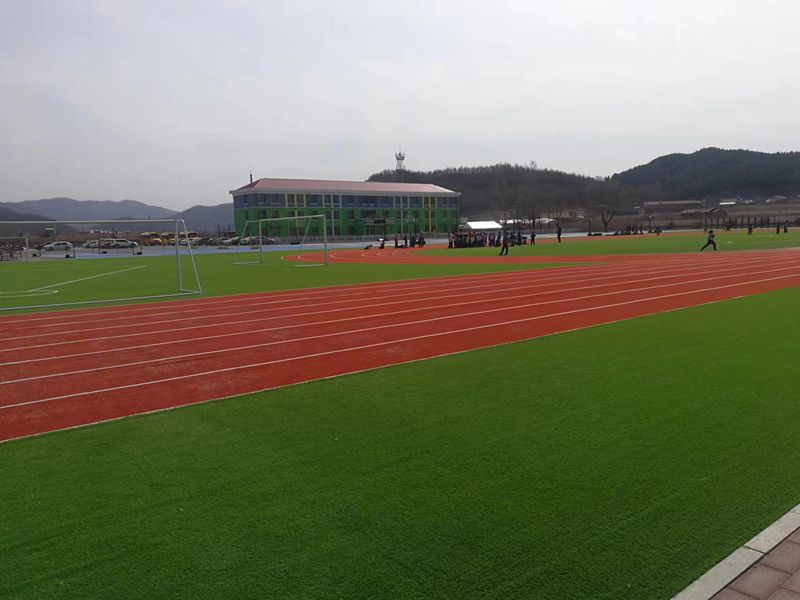
Youdaoplaceholder0 sports injury
Artificial turf is relatively hard and has poor cushioning performance. High-intensity sports (such as football) may increase the risk of joint and muscle injuries.
Purchase suggestions
Youdaoplaceholder0 give priority to products that meet national standards , and ensure that materials such as grass fibers and fillers have undergone strict testing.
Avoid purchasing products that are too cheap or of unknown origin to prevent the use of inferior raw materials.
Regular maintenance and cleaning should be carried out to prevent the loss of fillers and potential safety hazards.