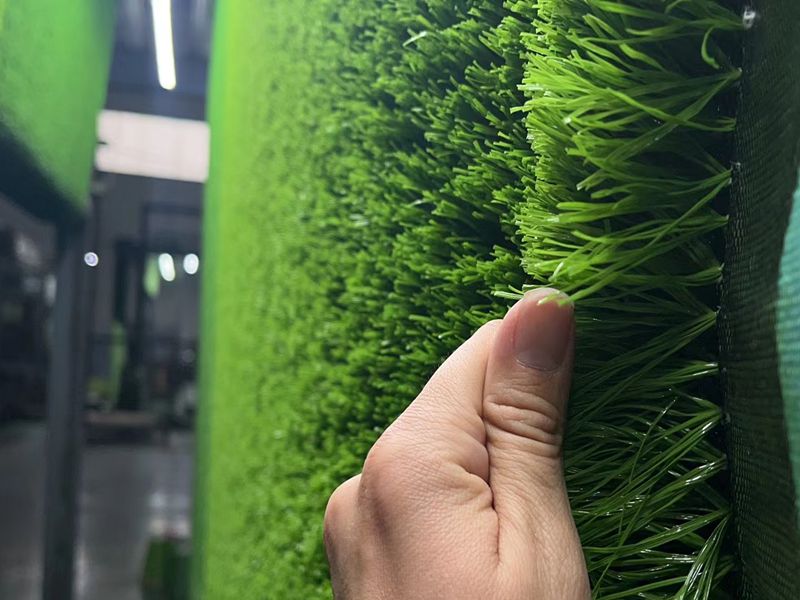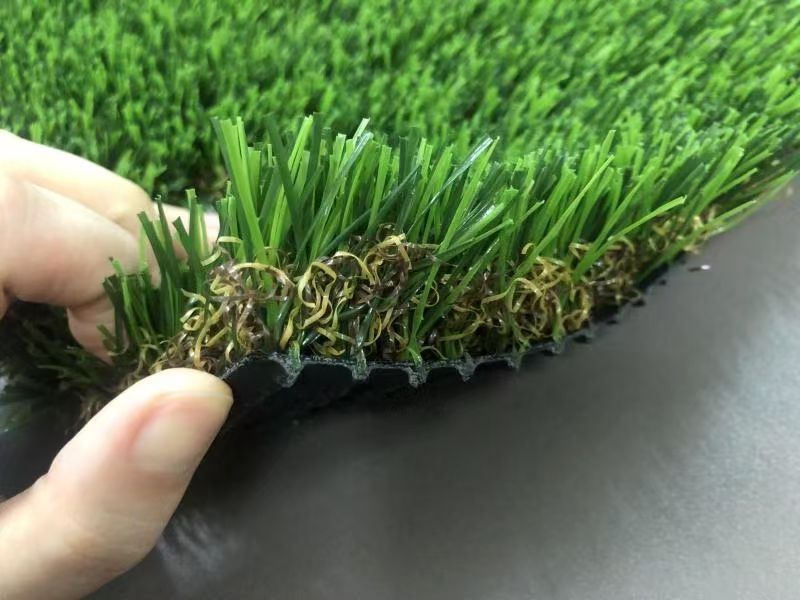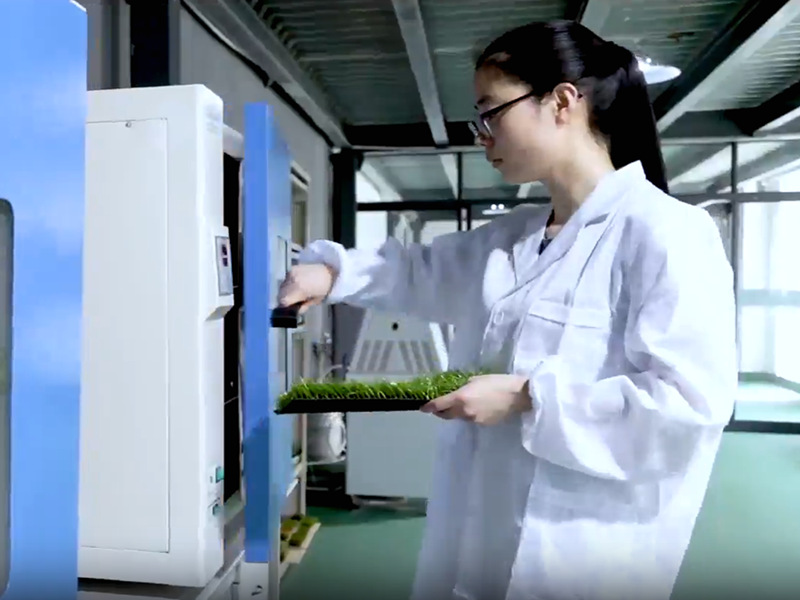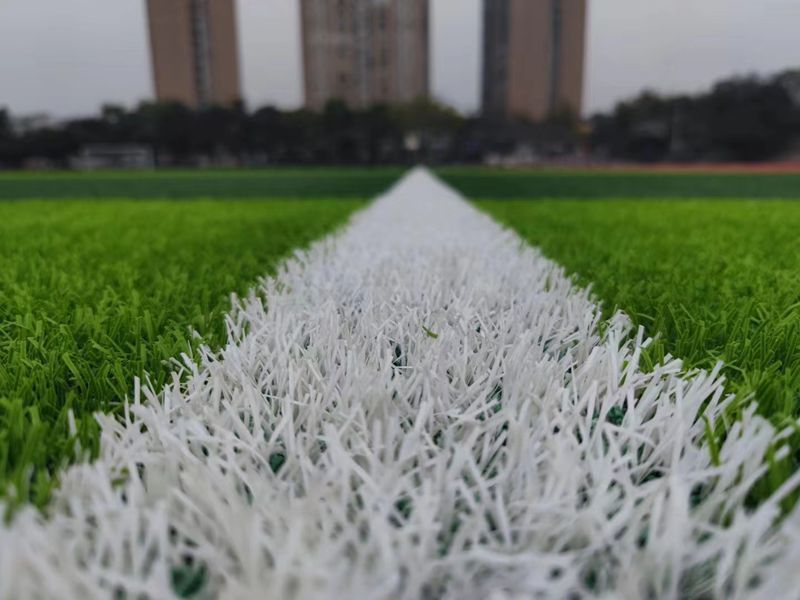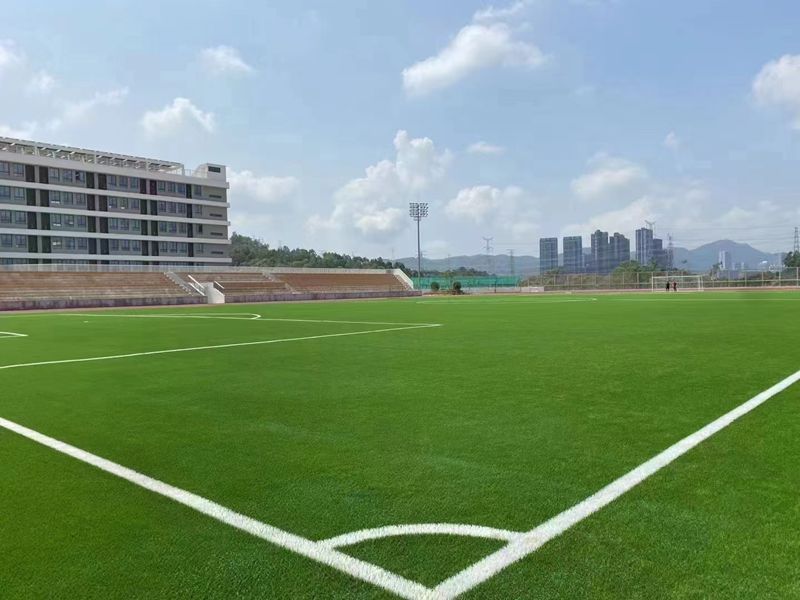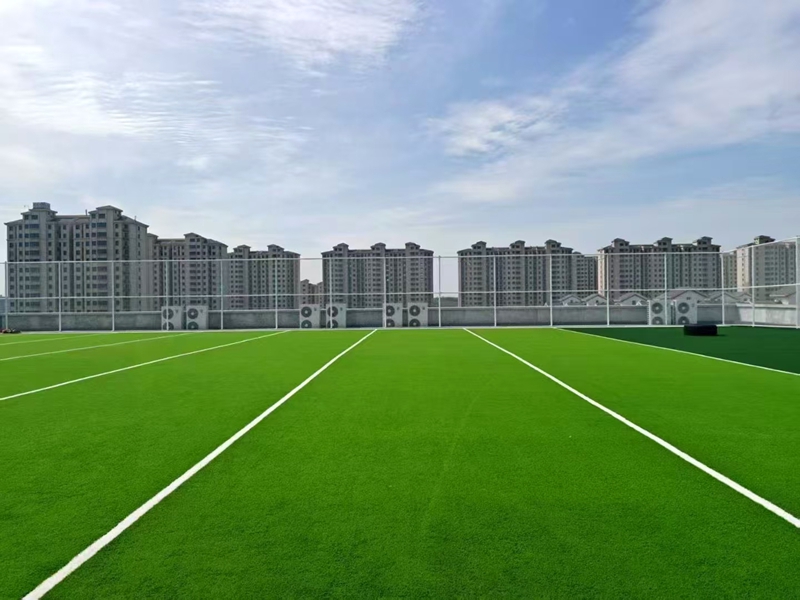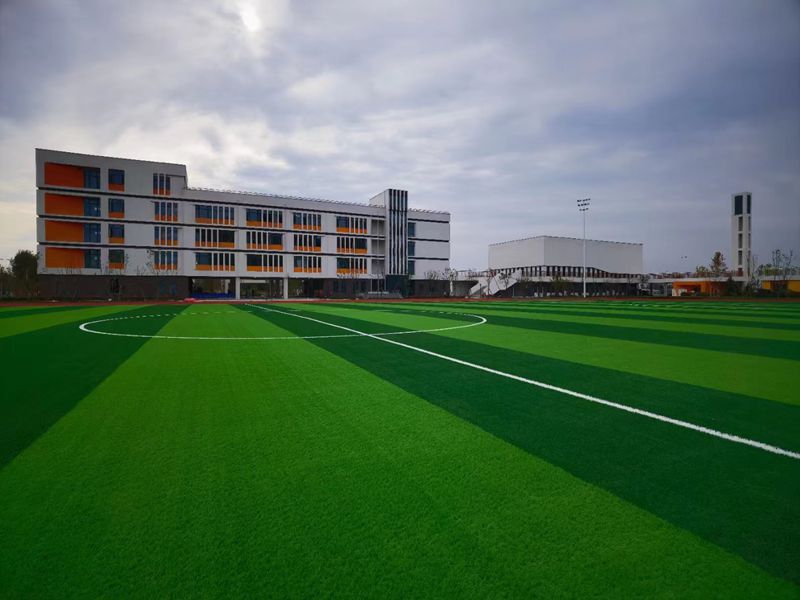
Artificial turf has excellent heat insulation effect . Its principle is mainly achieved by reflecting sunlight, blocking heat transfer and insulating the air layer. It is suitable for scenarios such as roofs and sports fields, and can significantly reduce the surface temperature.
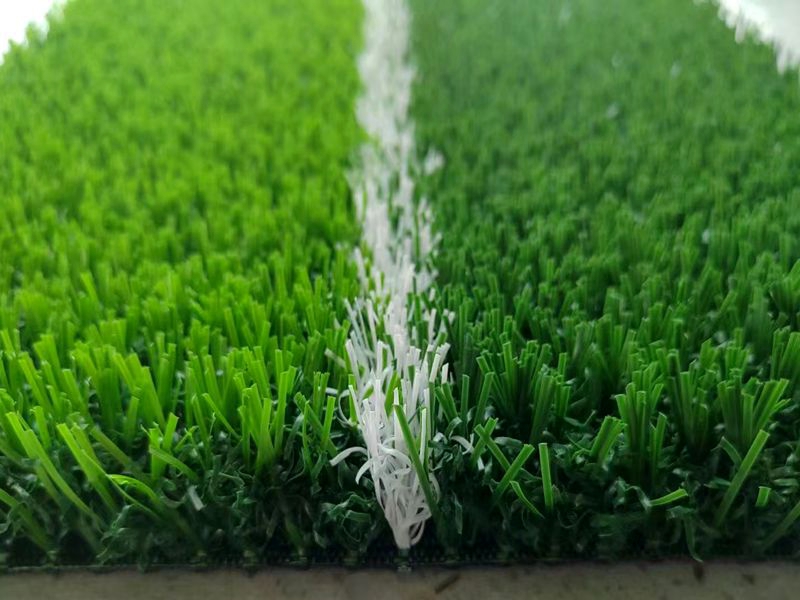
Heat insulation principle and performance parameters
Youdaoplaceholder0 Reflecting sunlight : The green grass fibers of artificial turf can reflect 30% to 50% of sunlight. Some high-end products also add reflective materials to enhance the effect.
Youdaoplaceholder0 Blocking heat transfer : The grass fibers and base fabric are made of low thermal conductivity materials such as polyethylene (PE) (with a thermal conductivity of approximately 0.33-0.51 W/m·K), which slows down the heat conduction to the ground.
Youdaoplaceholder0 air layer insulation : The air layer formed by the gaps between grass fibers can lower the surface temperature by 5-15℃, and the effect is more significant for high-density lawns.
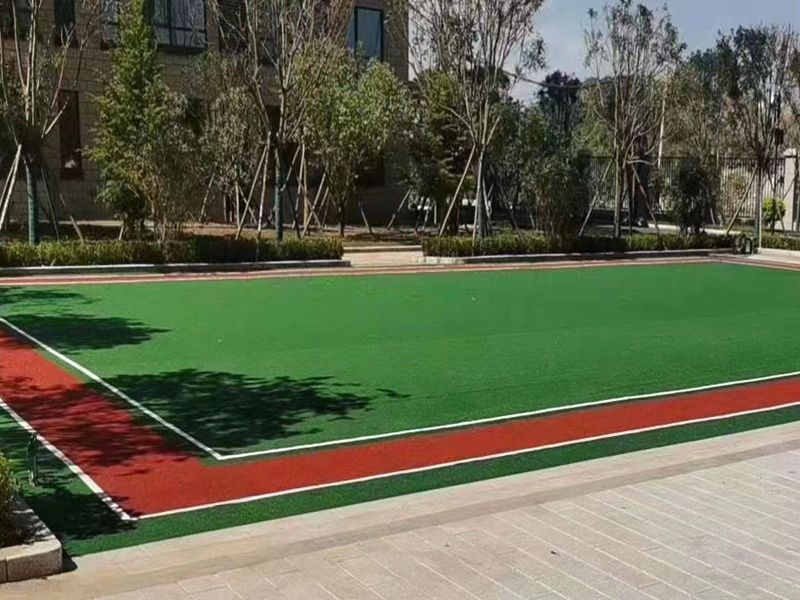
Youdaoplaceholder0 actual effect and case
Youdaoplaceholder0 Temperature comparison : After laying artificial turf on the roof in summer, the surface temperature can drop from 60℃ to 35-45℃, and the indoor temperature can decrease by approximately 3-8℃.
Youdaoplaceholder0 User feedback : Some users have mentioned that the surface of the lawn still gets hot in high-temperature weather, but this can be improved by choosing a lawn with a high-density (25-40mm) and curvilineural structure.
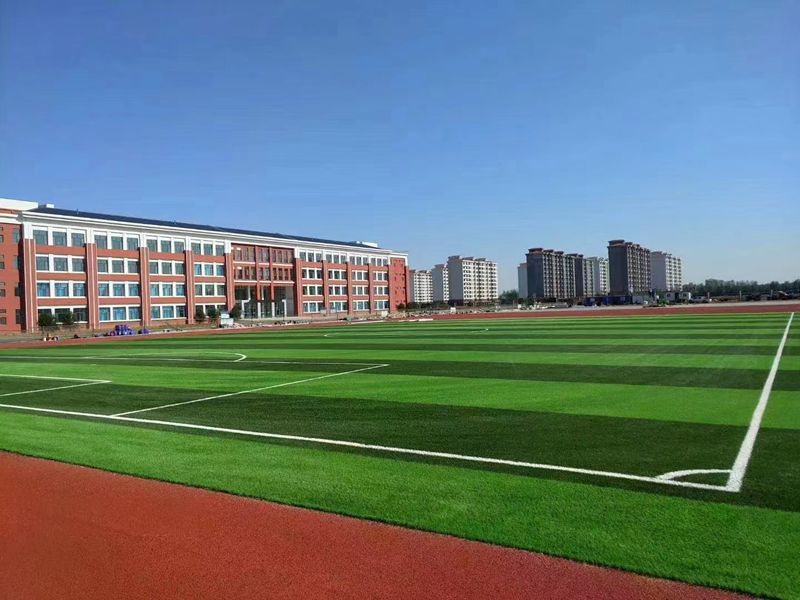
Youdaoplaceholder0 application scenarios and suggestions
Youdaoplaceholder0 recommended scenario :
Roof greening (with drainage design required).
Sports field (wear-resistant lawn should be selected).
Youdaoplaceholder0 notes :
Low-density or short-grass lawns have limited heat insulation effects.
Long-term exposure to the sun may accelerate aging. It is recommended to choose a UV-resistant model