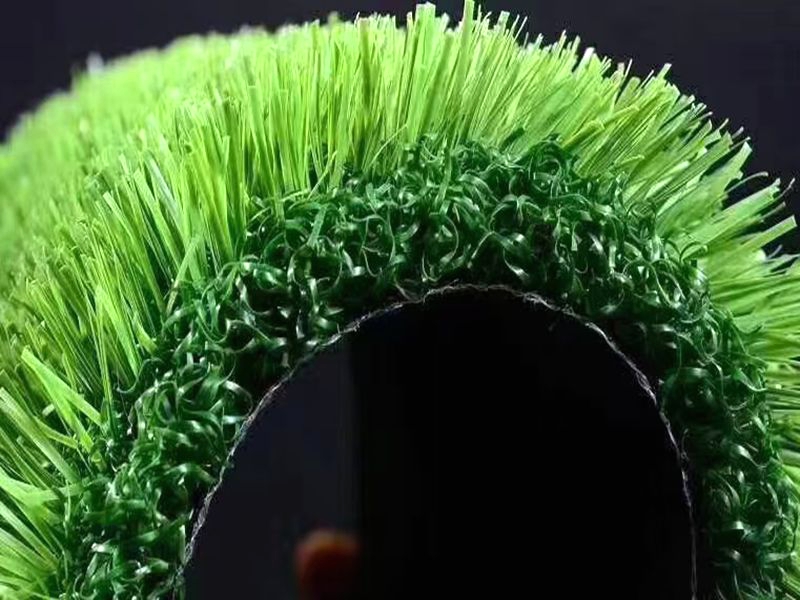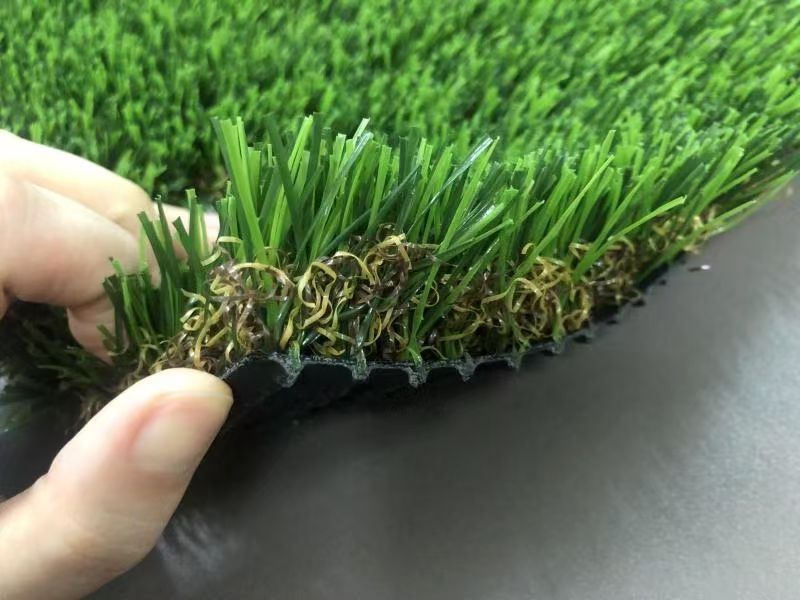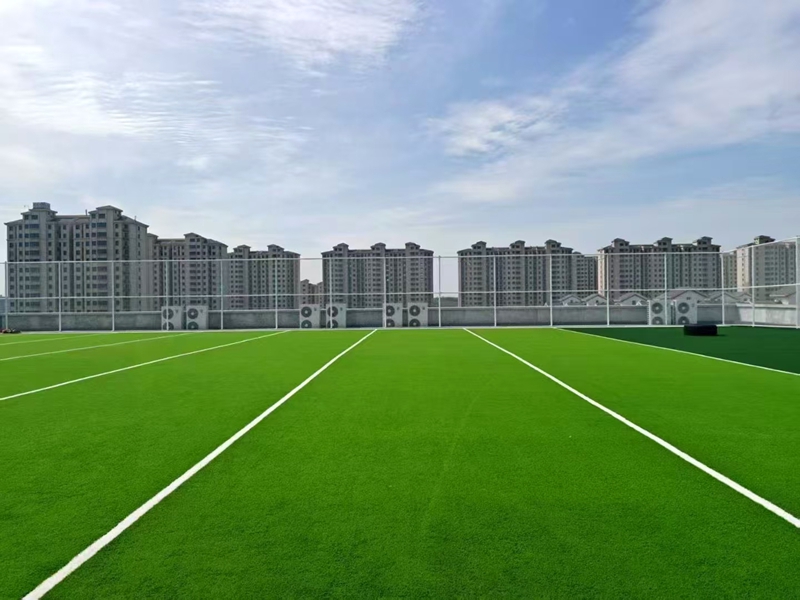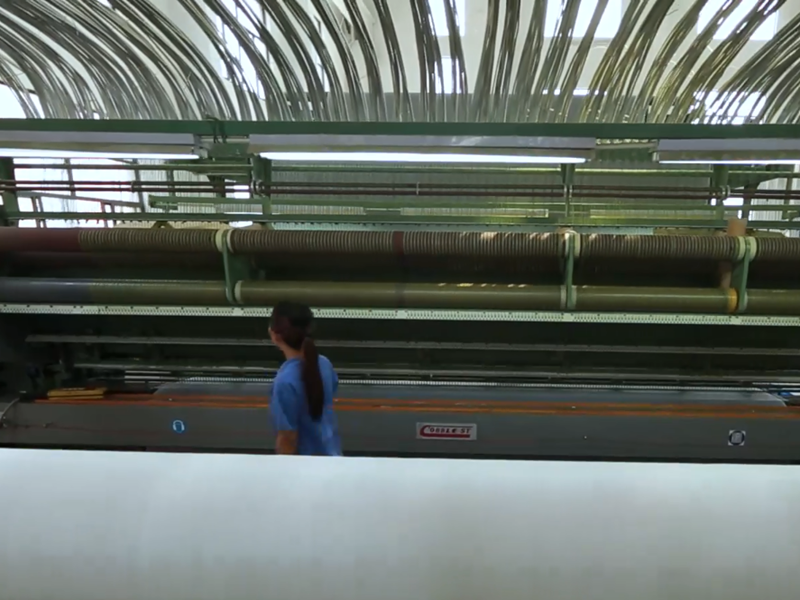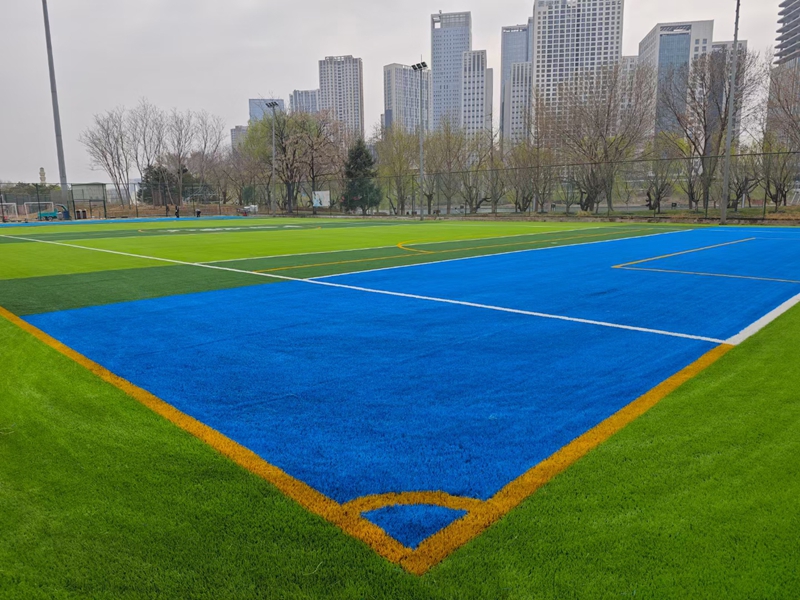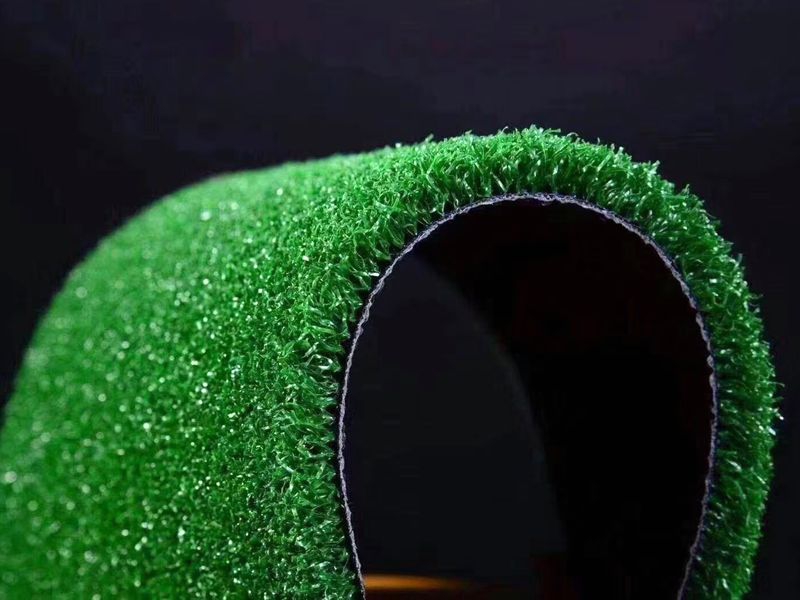
Whether artificial turf (artificial turf) is harmful to the body needs to be discussed on a case-by-case basis
Product safety with qualified materials and processes
Artificial turf that meets the standards is made of materials such as polyethylene (PE) and polypropylene (PP). The EU REACH regulation has strict limits on the content of chemical substances, with the soluble lead content not exceeding 50mg/kg (the standard for school grounds). When used normally and paired with a pure cotton base layer, it generally does not cause health hazards.
Potential risk
Inferior products or those that have been used for a long time may encounter the following problems:
Youdaoplaceholder0 Volatile organic compound release : In high-temperature environments, harmful gases such as formaldehyde and benzene may be released, posing a risk of respiratory irritation.
Youdaoplaceholder0 heavy metal pollution : Rubber particle fillers may contain heavy metals such as lead and cadmium. Long-term exposure to them by children may increase health risks.
Youdaoplaceholder0 Physical damage : Surfaces with higher hardness may increase the probability of joint strain and skin friction injuries. Exercising during the hot summer period is prone to cause heatstroke.
Precautions
Give priority to qualified products produced by regular manufacturers and avoid inferior materials.
When children are active, avoid direct contact with the ground to reduce the risk of lead exposure.
Regular maintenance (such as clearing debris and replenishing fillers) can extend the service life and reduce risks.