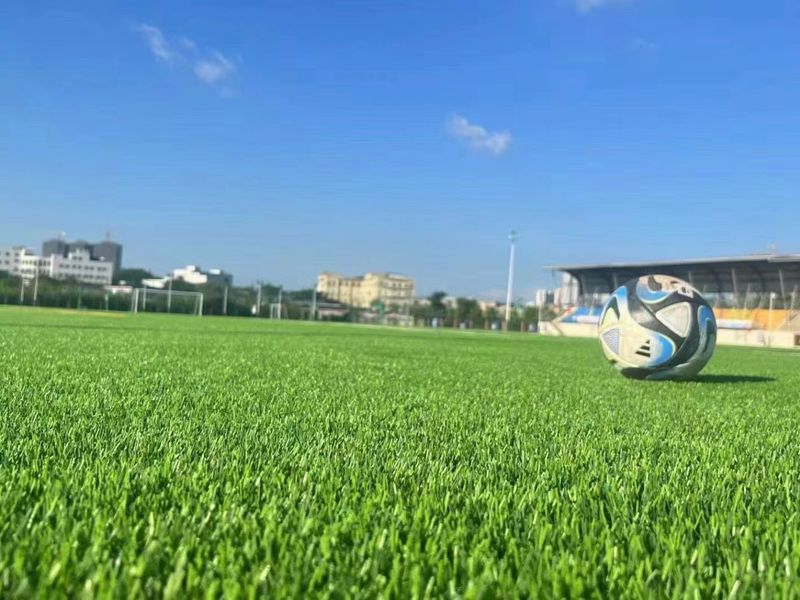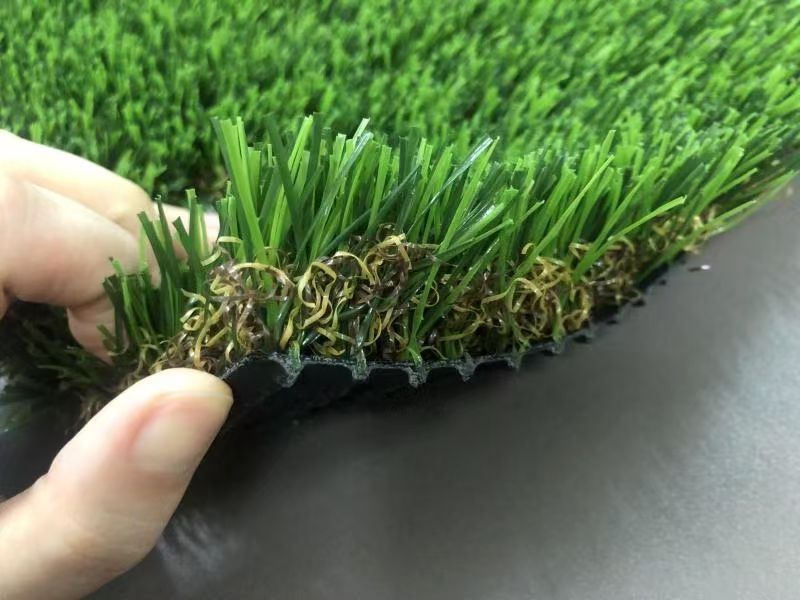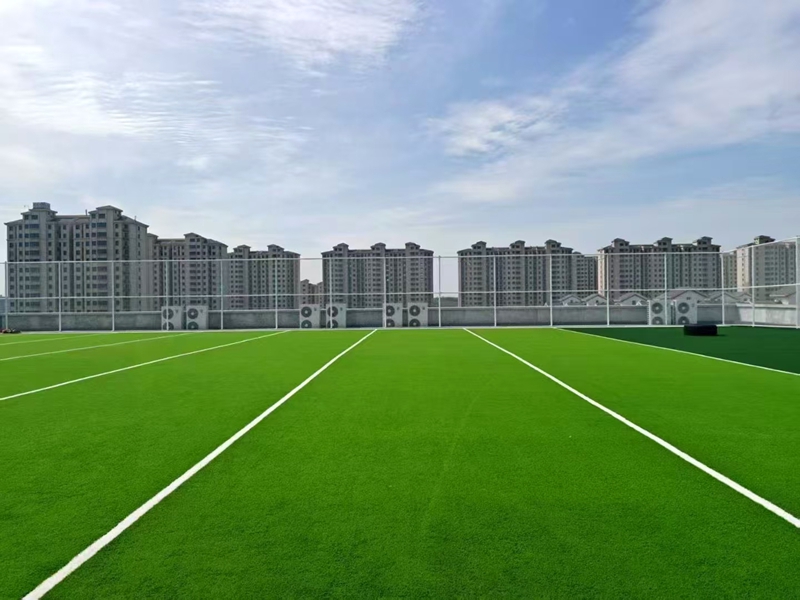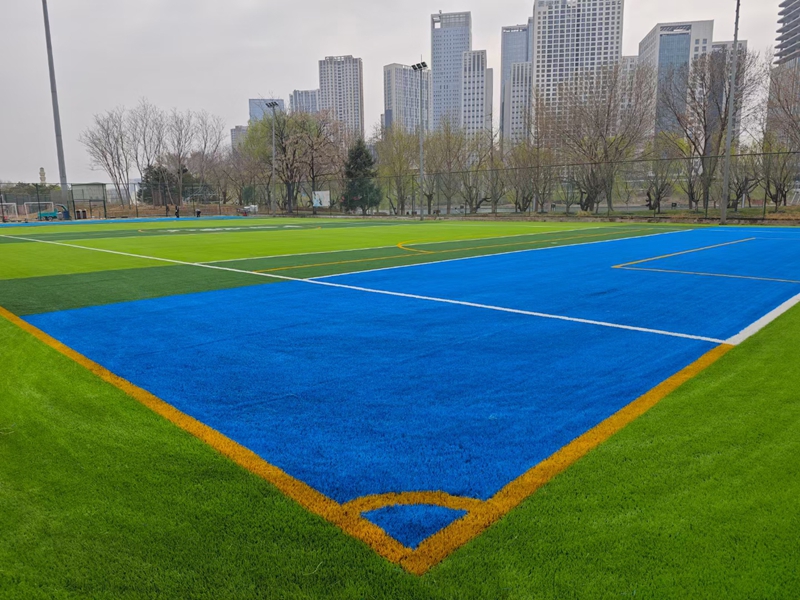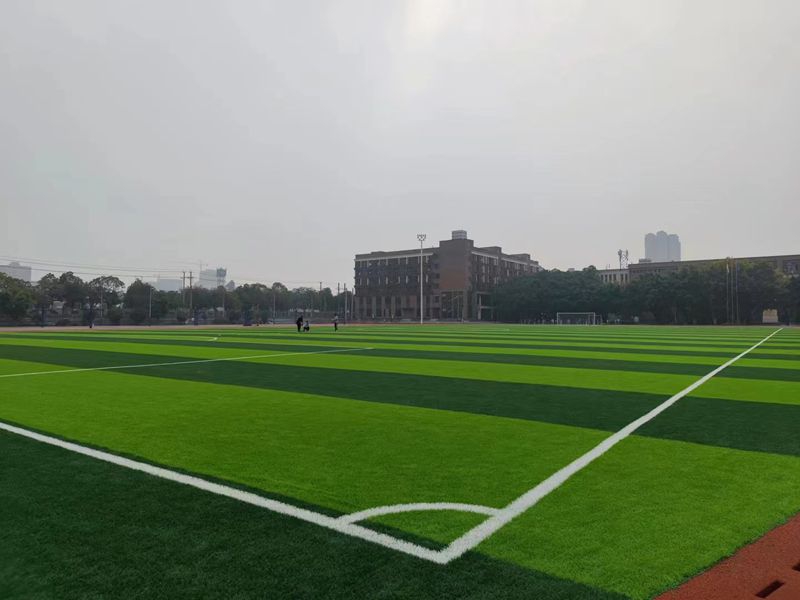
The filling standards for quartz sand and rubber particles in artificial turf should be determined comprehensively based on the type of site, the intensity of sports and the height of the grass. The core ratio is 40% quartz sand and 60% rubber particles (for high-intensity sports), and the filling depth is generally three quarters of the grass height. The materials need to meet the requirements of particle size, environmental protection and mechanical properties
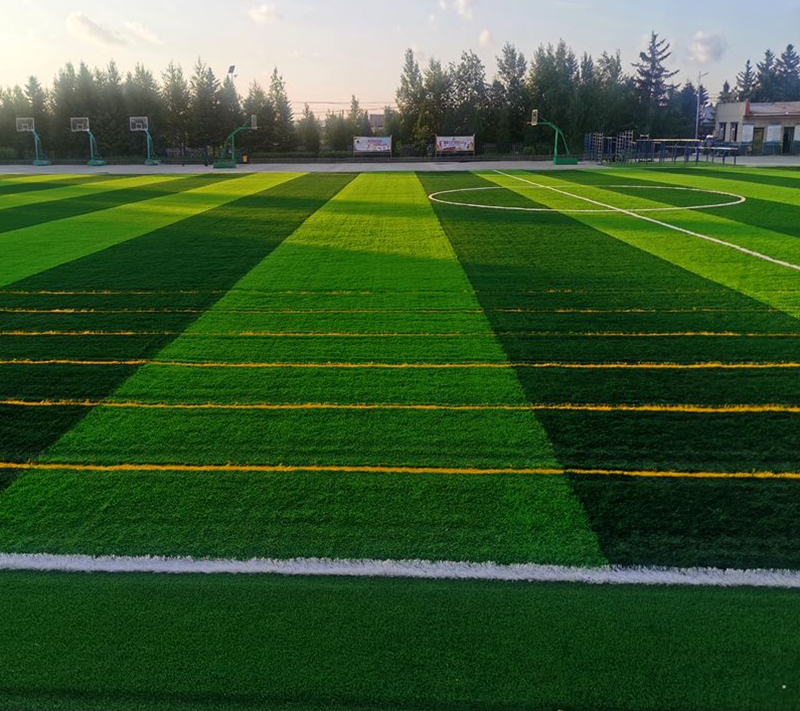
Youdaoplaceholder0 Type and performance requirements of filling materials
Youdaoplaceholder0 quartz sand .
Youdaoplaceholder0 Material requirements : High-purity quartz sand (silicon dioxide content ≥90%), river sand or sand and gravel with high mud content are prohibited.
Youdaoplaceholder0 particle size standard : 20-40 mesh (0.5-1.5mm), roundness ≥80%, no sharp edges or corners, ensuring water permeability and grass fiber fixation effect.
Youdaoplaceholder0 Filling amount : For a football field with a grass height of 50mm, fill 20-40kg per square meter, and the filling depth should be three quarters of the grass height (for example, fill 35mm for a 50mm grass height).
Youdaoplaceholder0 rubber particles .
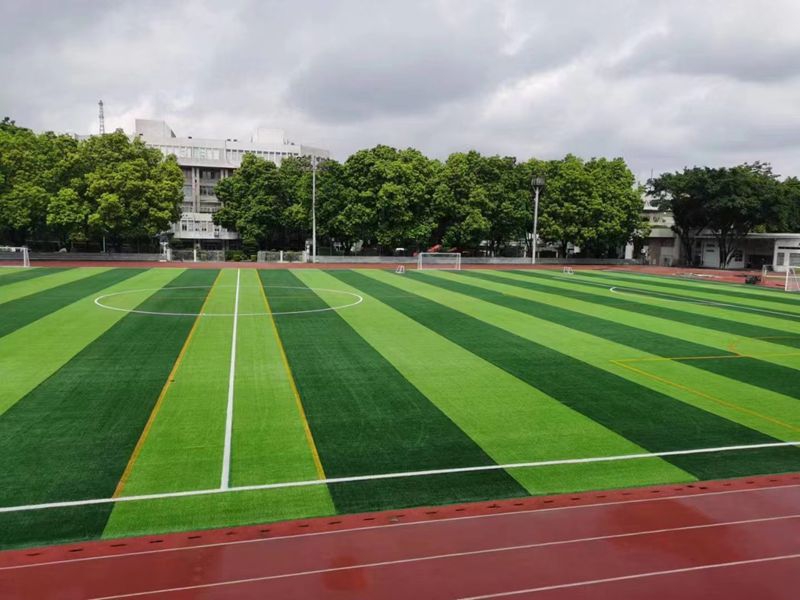
Youdaoplaceholder0 Material selection : EPDM or styrene-butadiene rubber particles are preferred. They are environmentally friendly, non-toxic, and have strong weather resistance, with a polymer content of ≥20%.
Youdaoplaceholder0 particle size and shape : 1-3mm (0.5-2mm is recommended for football fields), with round particles without sharp edges to reduce friction injuries for athletes.
Youdaoplaceholder0 Filling ratio : For high-intensity sports fields (such as football fields), it is recommended to use 60% rubber particles and 40% quartz sand. For low-intensity fields, the rubber ratio can be reduced.
Youdaoplaceholder0 Construction technology specifications
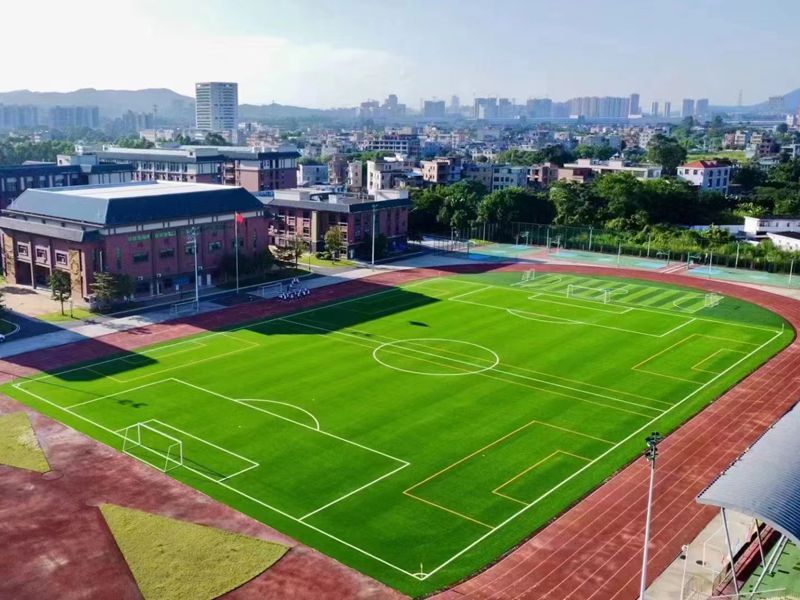
Youdaoplaceholder0 layer fill .
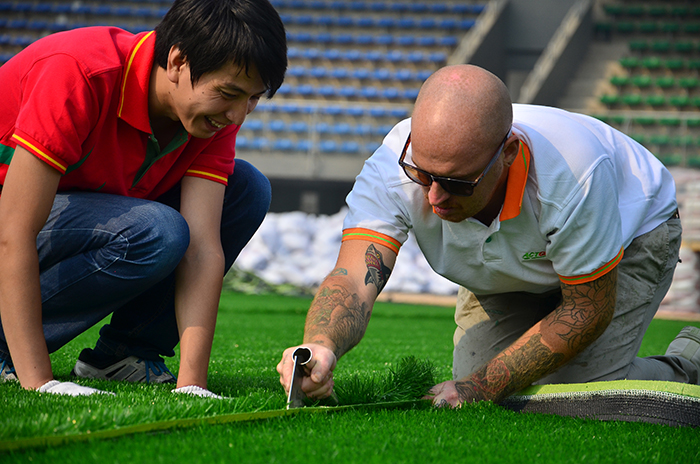
First, fill in quartz sand. Use a dedicated sand injection machine to evenly spread it. After each layer is filled, it needs to be repeatedly combed more than 20 times with a grass brush machine.
Fill in the rubber particles again and evenly spread them by mechanical or manual means to avoid local accumulation or loss.
Youdaoplaceholder0 quality control .
Density test: Impact absorption rate ≥55%, flatness error ≤3mm/3m, no exposed particles or fallen grass fibers.
Environmental protection acceptance: Complies with GB 36246-2018 standard, TVOC≤0.5mg/m³, no heavy metals detected.
Scene adaptation solution
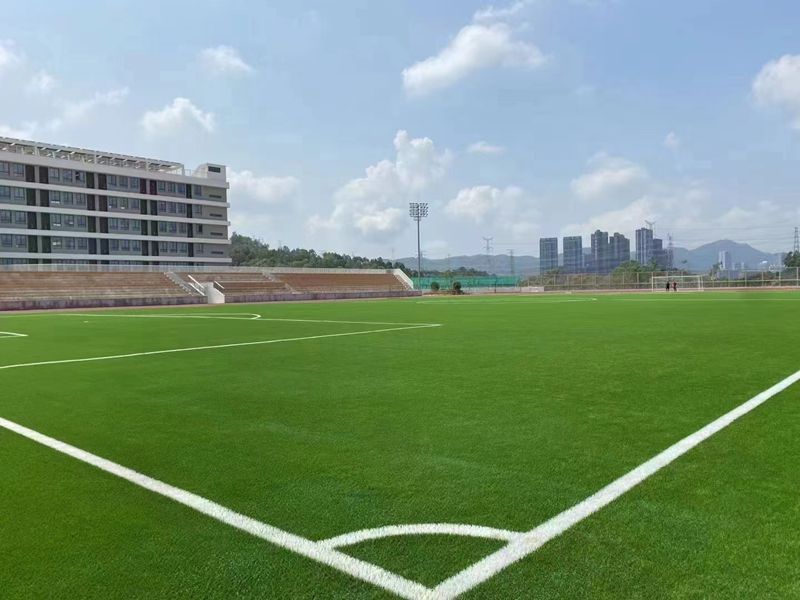
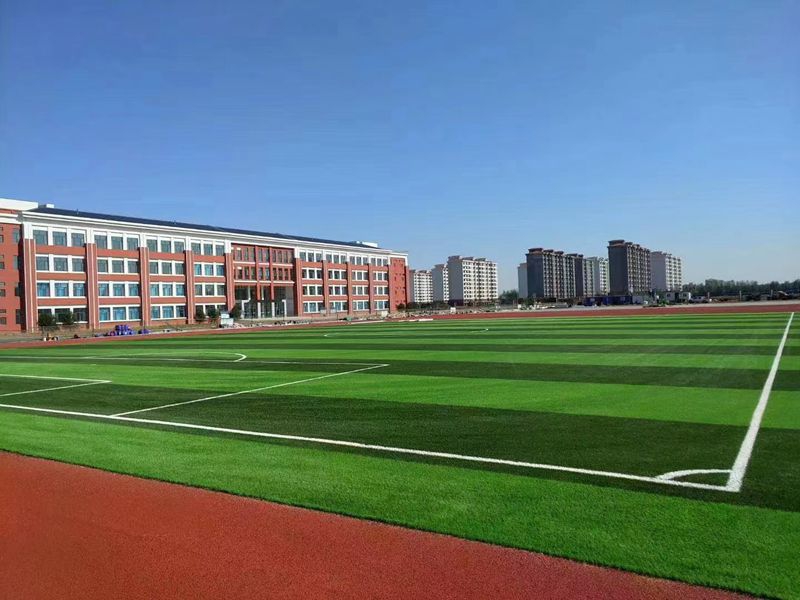
Youdaoplaceholder0 football field : 50mm grass height, filled with 35mm auxiliary materials (40% quartz sand + 60% rubber particles).
Youdaoplaceholder0 primary and secondary school playgrounds : The proportion of rubber particles can be reduced to 40%, taking into account both safety and cost.
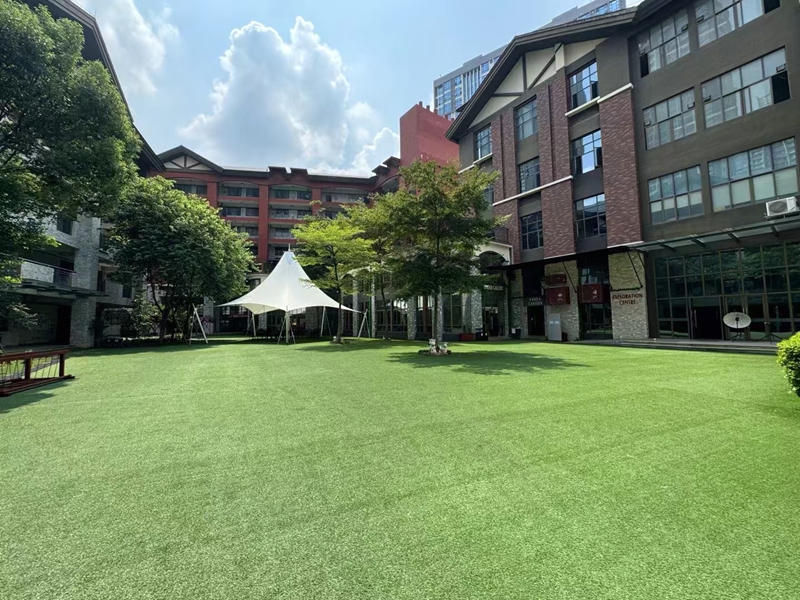
Youdaoplaceholder0 croquet courts/tennis courts : Low-impact courts can only be filled with quartz sand or the proportion of rubber particles can be reduced.
Filling standards for artificial grass football fields –
Quartz sand should be chosen with uniform particle size and moderate hardness. For instance, in some football fields in northern regions, quartz sand from specific origins is selected. After screening, it can effectively ensure the stability of the field. ② There are clear requirements for the filling amount of rubber particles. The general filling amount per square meter is about 5 to 8 kilograms. Take a standard 11-a-side artificial grass football field as an example. Its area is approximately 7,140 square meters, so the total amount of rubber particles filled is between 35,700 and 57,120 kilograms.