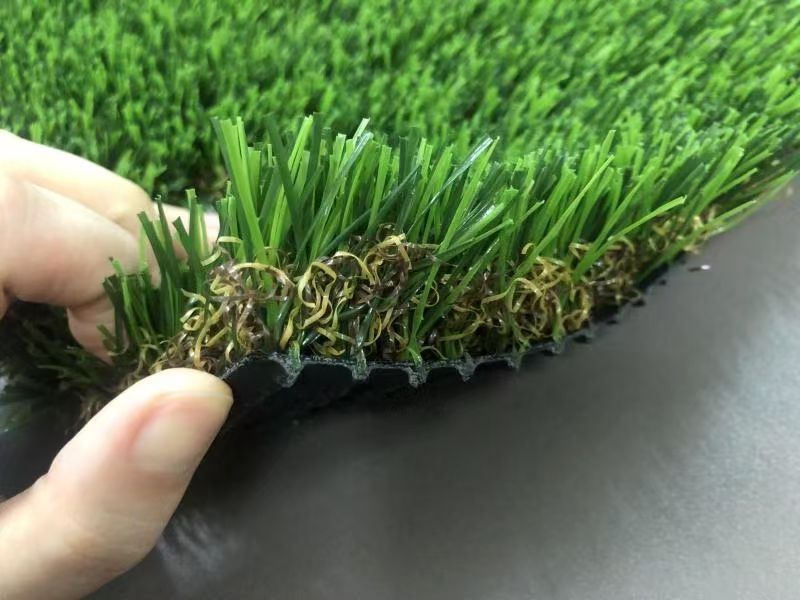
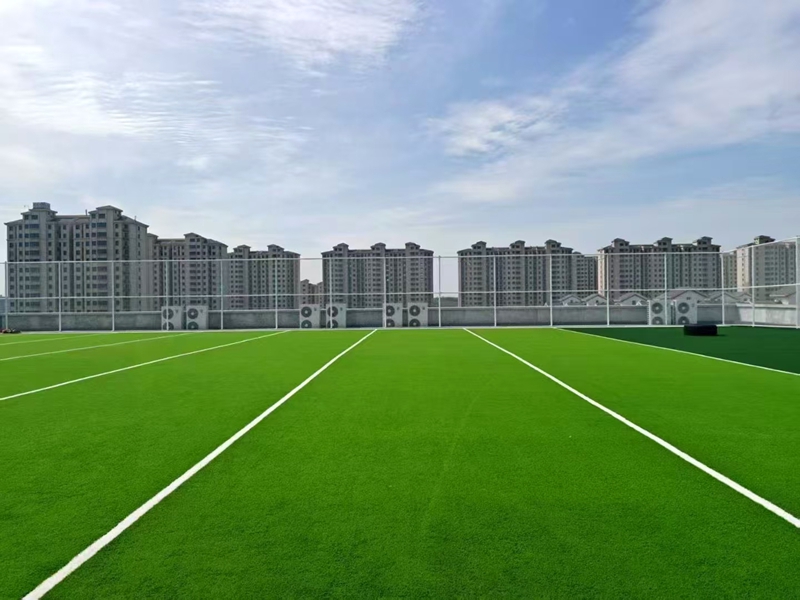
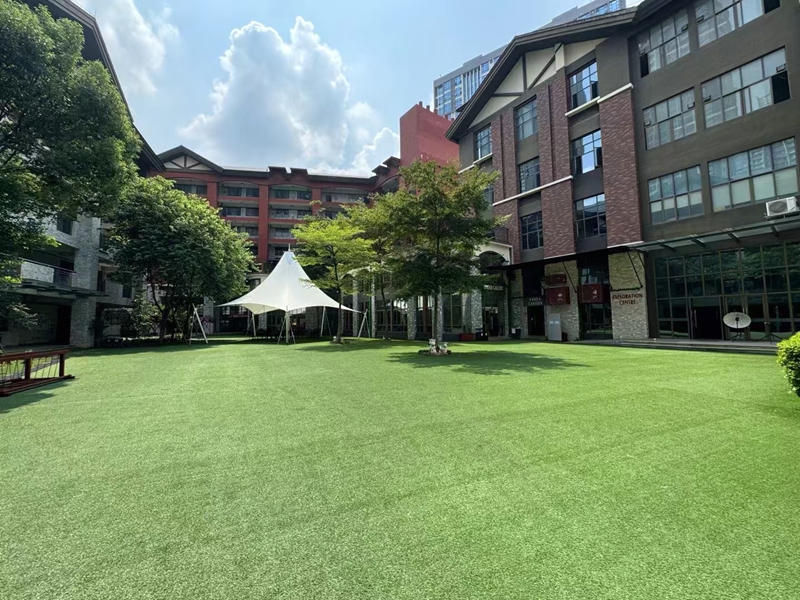
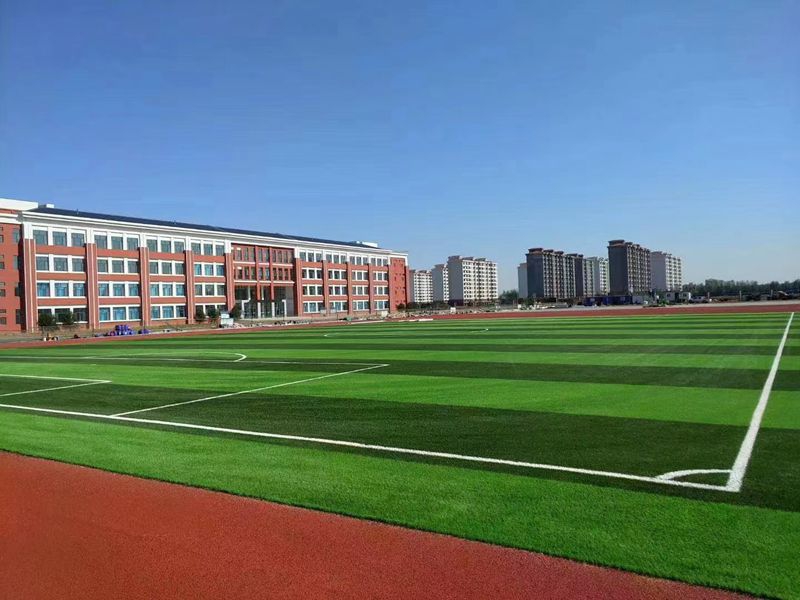
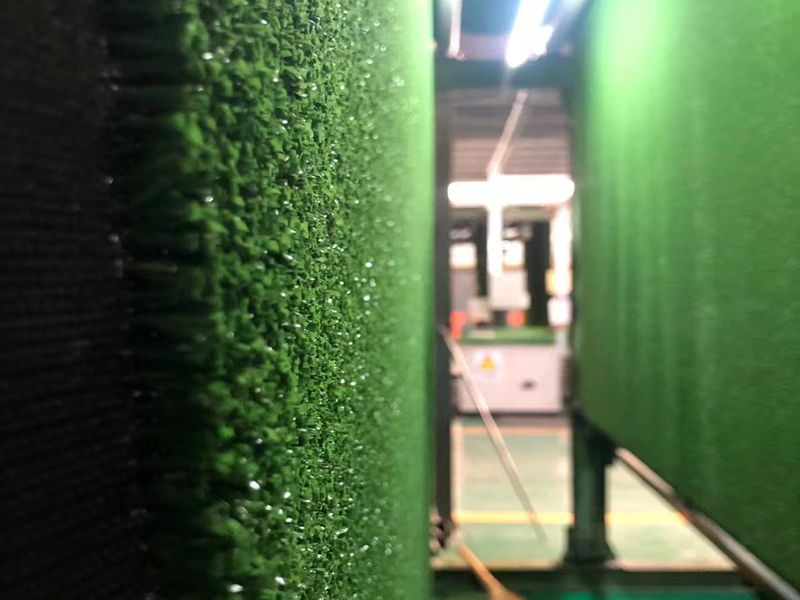
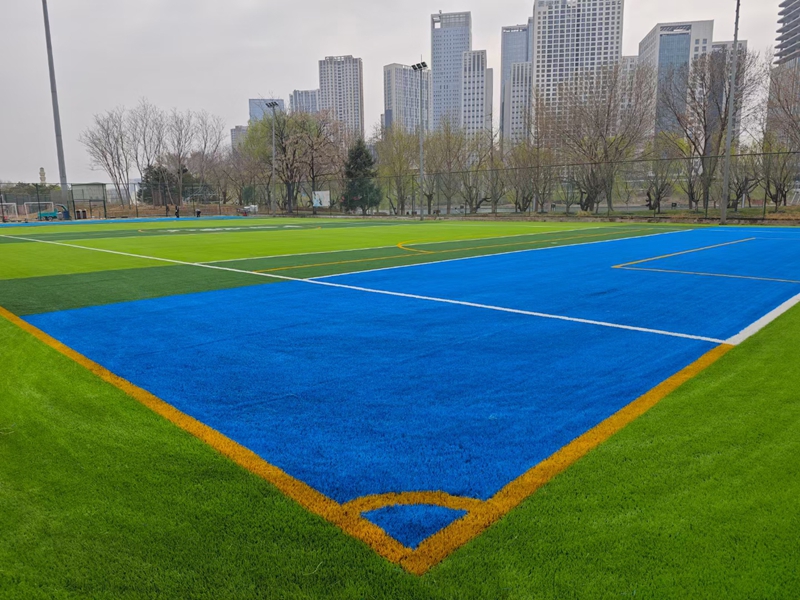
In the construction of modern football fields, artificial turf is increasingly being used in the paving of football fields due to its excellent durability, stability and ease of maintenance. So, what exactly are the steps involved in the construction of artificial turf on a football field?
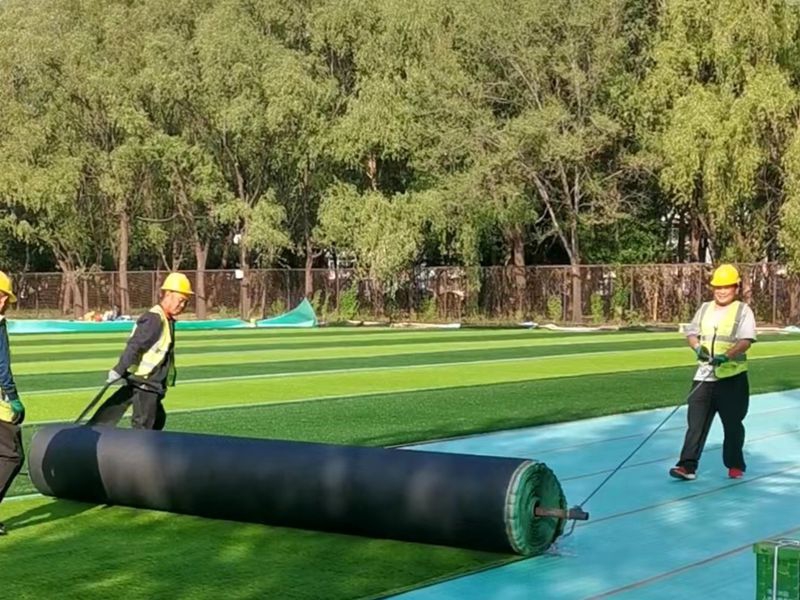
I. Venue Preparation
First of all, the construction site needs to be cleared and leveled. Remove debris, stones, tree roots and other obstacles from the site, and ensure that the surface of the site is flat and the slope meets the drainage requirements. If necessary, the foundation also needs to be compacted and reinforced.
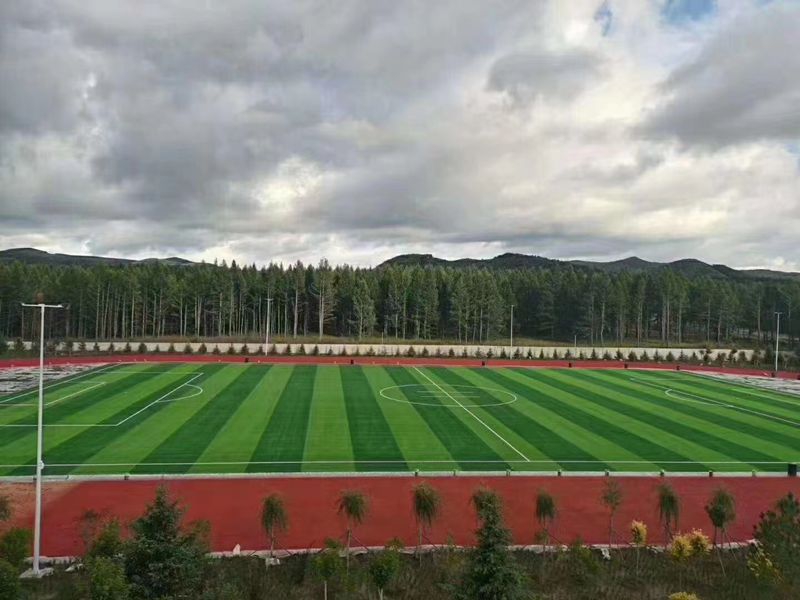
Ii. Measurement and Marking
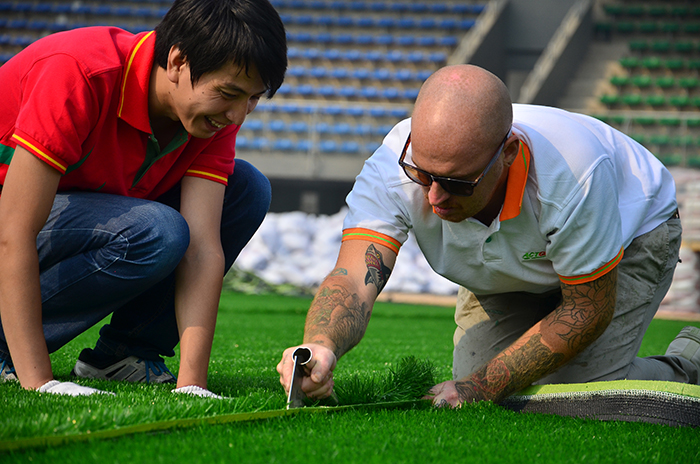
Use professional measuring tools to accurately measure the dimensions of the football field, including its length, width and the boundaries of each area. Then, based on the measurement results, use marking paint or other marking tools to clearly demarcated each area of the football field, such as the goal area, penalty area, center circle, etc.
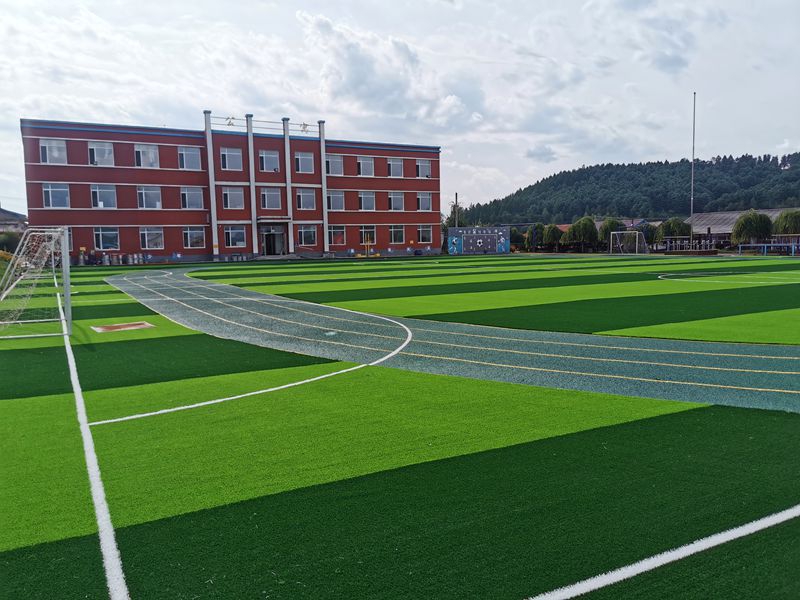
Iii. Lay the base material
On a leveled site, lay a suitable base material, such as crushed stones, sand or rubber particles, to provide good drainage and buffering effects. The thickness and uniformity of the base material must be strictly controlled to ensure the stability and comfort of the site.
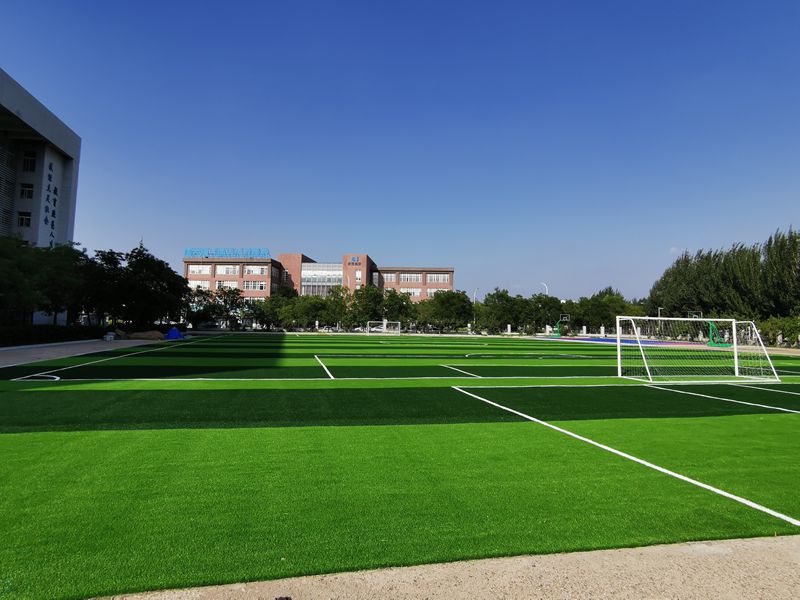
Five. Fill with quartz sand and rubber particles
Evenly fill quartz sand and rubber particles on the laid artificial turf. Quartz sand can increase the weight of the lawn, making it more stable. Rubber particles can provide better elasticity and buffering effects. The thickness and uniformity of the filling should comply with relevant standards and requirements.
Six. Sorting and Trimming
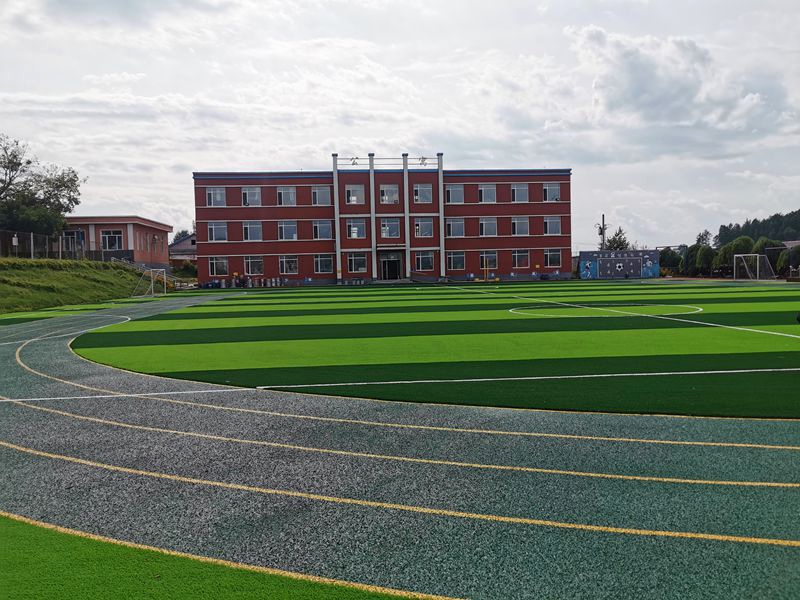
Use a dedicated combing tool to comb the filled artificial turf, making the grass fibers stand upright and evenly distributed. At the same time, inspect and trim the joints and edges of the lawn to ensure the overall beauty and tidiness of the site.
Vii. Acceptance and Maintenance
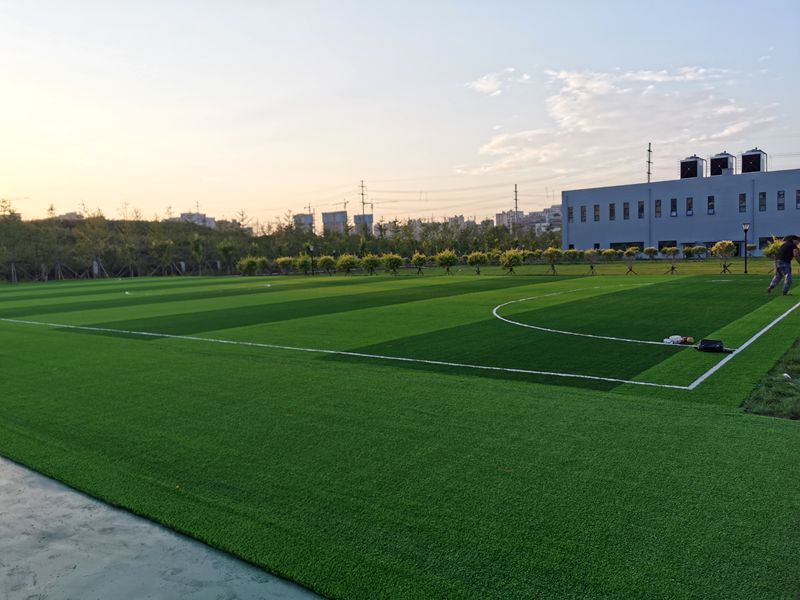
After the construction is completed, a strict acceptance inspection is carried out to check whether the flatness of the site, the height of the grass fibers, the filling thickness, the drainage performance, etc. meet the design requirements. After passing the acceptance inspection, a reasonable maintenance plan should be formulated, and regular cleaning, inspection and maintenance should be carried out to extend the service life of the artificial turf.